


Today, we celebrate the completion of our British Council-funded disability partnership project and the publication of resources developed together to support more accessible and inclusive higher education.
The partnership brought together the Rix Inclusive Research Institute at the University of East London and Tashkent State Pedagogical University, now known as the National Pedagogical University in Uzbekistan. Working with students and staff, we explored experiences of disability inclusion at both universities and considered how teaching, learning and university life could become more accessible.
Our research revealed a shared challenge: reasonable adjustments alone are not enough to ensure inclusion. Students described having to explain their disability and repeat requests for adjustments to different lecturers. They also reported that these requests were not always respected or consistently implemented.
This places an additional burden on students. Access can depend on their willingness to disclose personal information repeatedly, their confidence in asking for support, and the response of each person they approach. These experiences highlighted the need for a more consistent approach that anticipates barriers from the outset.
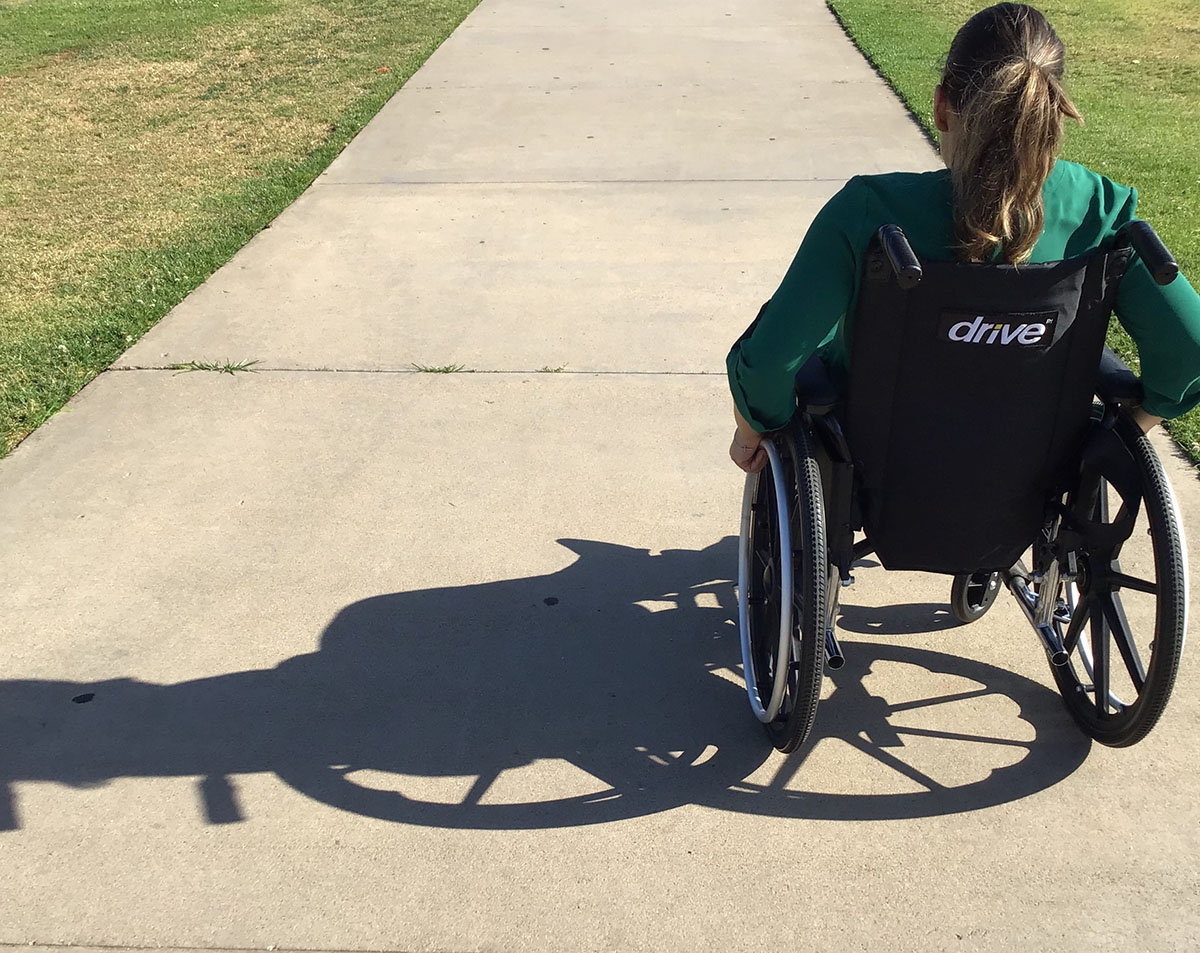
Together with students and staff, we have developed an Accessible Higher Education Toolkit. This comprehensive resource brings together information and guidance to help university communities consider barriers and design more inclusive educational experiences.
We are also publishing an easy-to-read guide, providing another way to engage with the project’s key messages. Both resources are available to download free of charge through our new website:
Explore the toolkit and easy-to-read guide at rixinclusiveeducation.org
At the heart of this work is a simple principle: inclusion begins with how we design what we do. When planning teaching, assessment, communication, digital resources and university environments, we need to consider the different barriers people may face and involve them in developing solutions.
Designing for accessibility from the beginning can reduce the need for students to request individual changes repeatedly. Personalised adjustments will remain essential for some students and circumstances. An inclusive foundation makes it easier to focus that support on needs that require an individual response.
These resources are the result of shared knowledge, careful listening and collaboration across our two universities. We extend our heartfelt thanks to everyone who contributed: the research participants who shared their experiences; the students and staff who helped shape the resources; the project steering group members who provided guidance; and the colleagues who supported the work throughout.
Your knowledge, honesty and commitment have helped us understand both the barriers that persist and the possibilities for change. We also thank the British Council for funding this partnership and enabling us to learn together across national and institutional contexts.
As we celebrate the project’s completion, we invite colleagues, students and university leaders to explore the resources, share them and use them to start conversations and inform practice in their own institutions.
Together, we can achieve so much more and build higher education in which more people can participate, contribute and belong.
Госия Квятковска, директор RIX