
For two weeks this summer 14–28 June 2026, the University of East London became home to an extraordinary community of learners, innovators and changemakers. Delivered in partnership with the University of Florida and Learn International, the RIX Inclusive Innovation Summer School 2026 welcomed 15 students with lived experience of disability and five faculty members to London for an ‘Innovate for Access’ immersive programme exploring disability, accessibility, artificial intelligence and inclusive design.
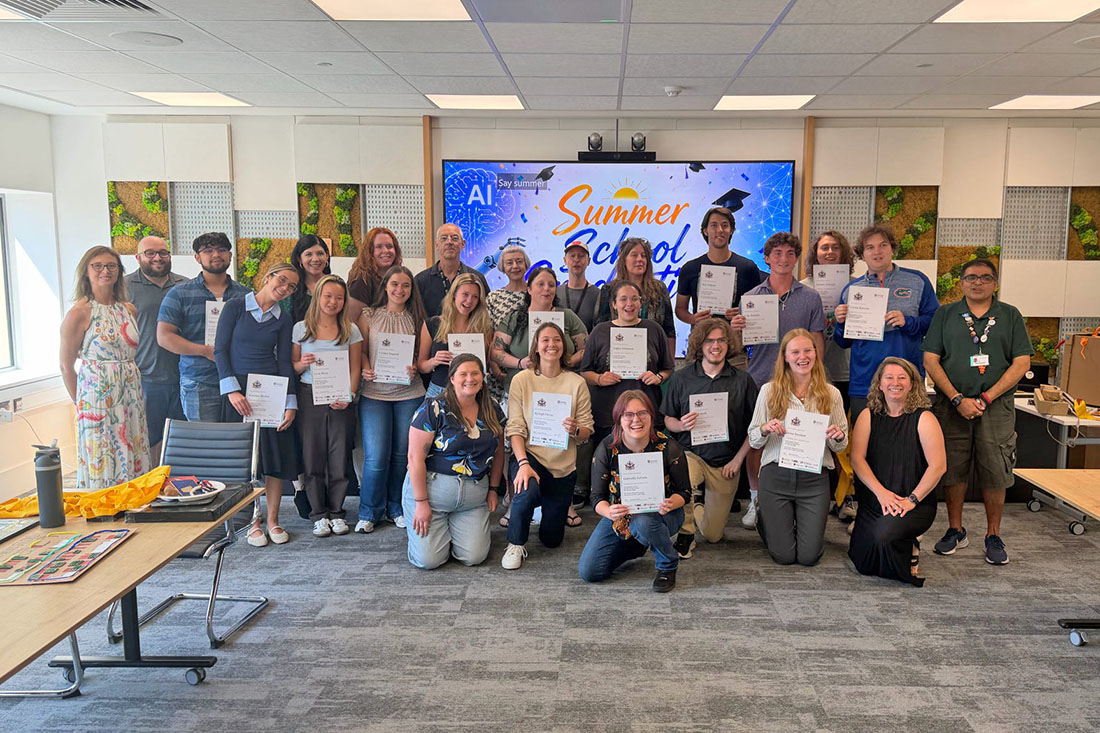
More than a study abroad experience, the Summer School challenged students to rethink disability, question assumptions and discover what is possible when people with lived experience become equal partners in innovation.
From the very first day, students were introduced to the principles that underpin the work of Rix Inclusive Research: co-production, Universal Design for Learning (UDL), person-centred practice and the belief that the people who experience barriers every day are the experts in designing better solutions.
Rather than beginning with technology, the programme began with people.
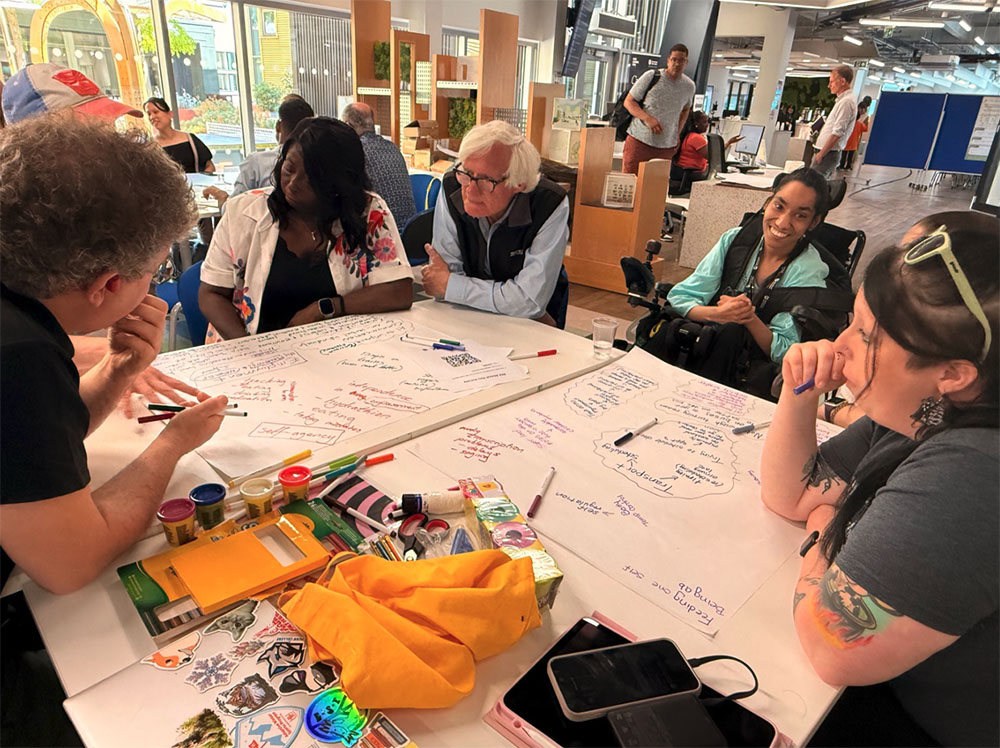
Throughout the two weeks, students worked alongside RIX co-researchers, disabled people, academics and practitioners to understand the barriers that still prevent many people from participating fully in society. Through conversations, workshops and reflective discussions, they explored how disability is shaped not simply by an individual’s impairment but by the way environments, services and systems are designed.
Learning extended far beyond the classroom.
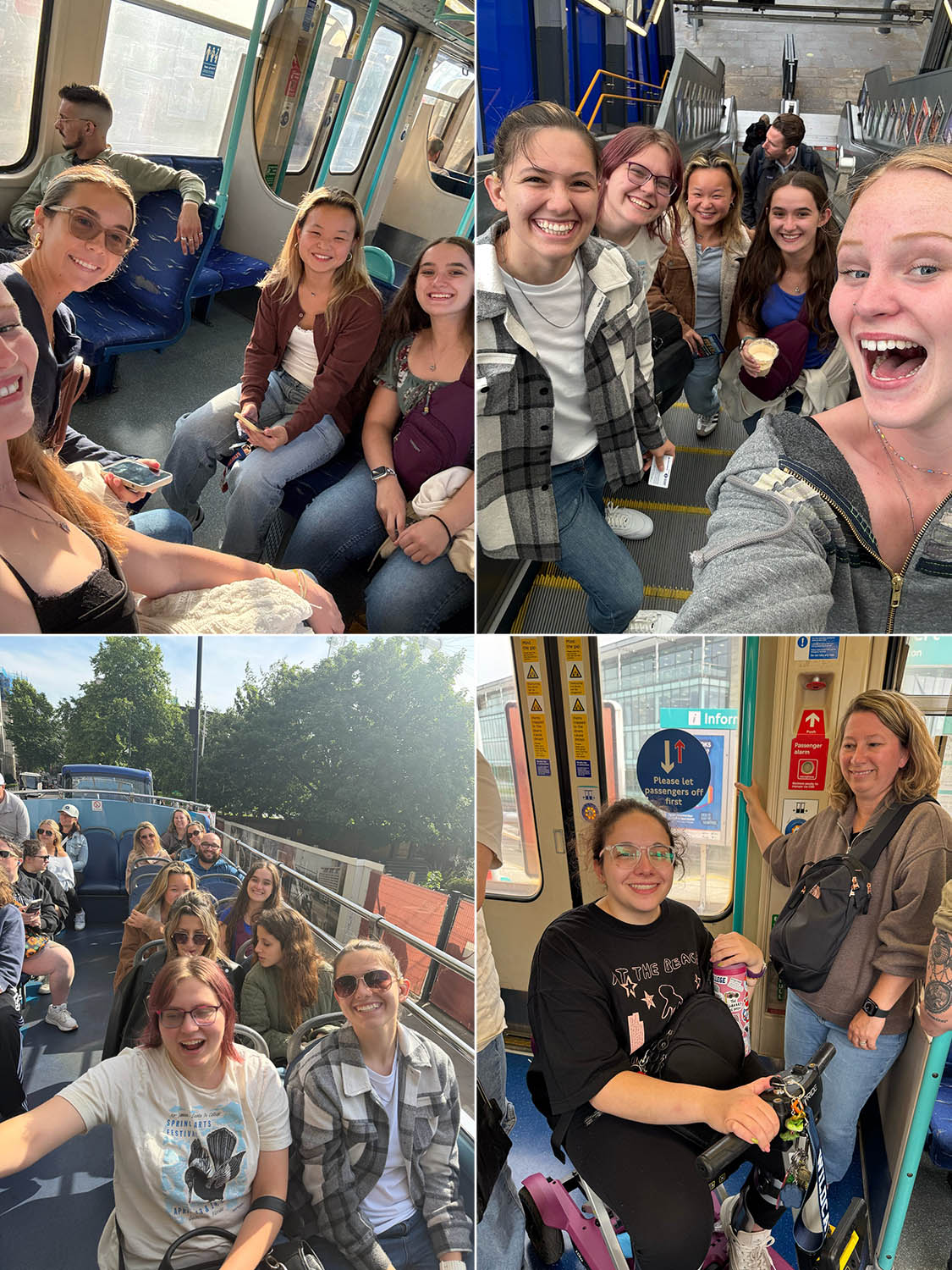
London itself became a living laboratory for inclusive design. Students travelled independently using London’s public transport network, learning first-hand how transport systems can either enable or restrict participation. They explored the city not simply as visitors but as researchers, observing accessibility, identifying barriers and reflecting on how design influences everyday life.
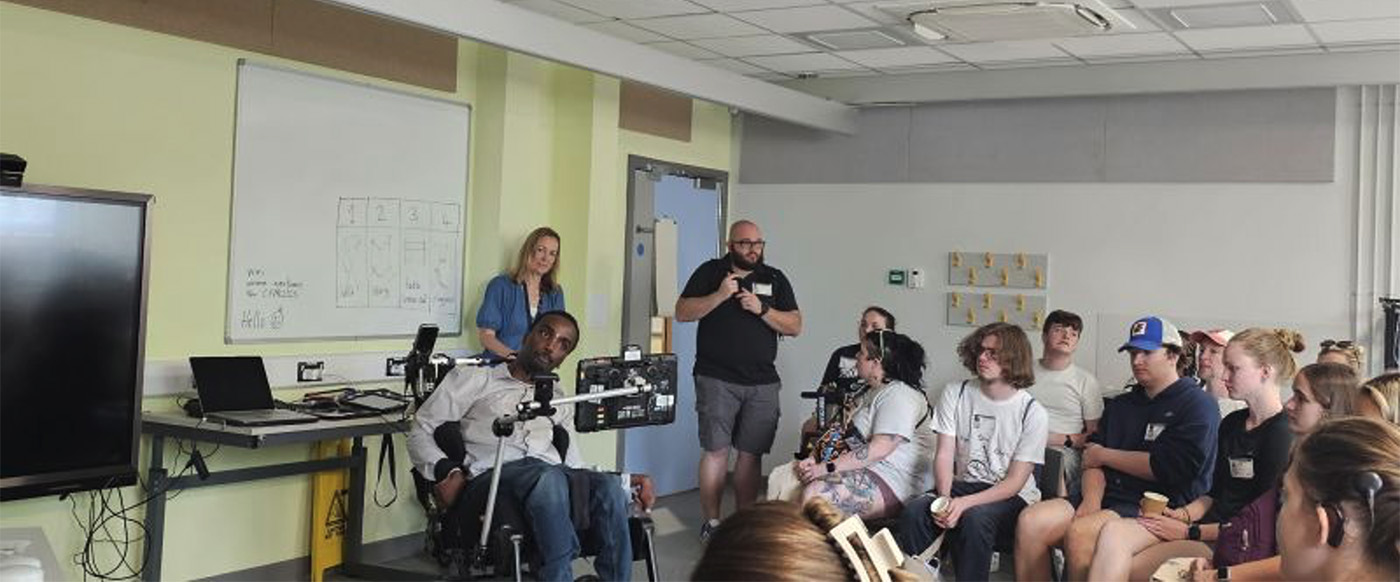
One of the highlights of the programme was visiting Charlton Park Academy, where students saw how assistive technology and inclusive education enable children and young people with complex needs to communicate, learn and thrive. Many described this visit as transformative, recognising the importance of designing environments that assume competence rather than limitation. Students met Abdi Omar, an Augmentative and Alternative Communication (AAC) user, CEO of ‘Limitless Entrepreneur’, whose powerful insights challenged perceptions about communication, independence and participation.
Technology was another central theme throughout the programme.
Students explored the opportunities and limitations of artificial intelligence, learning that AI is not a solution in itself but a tool that must be designed responsibly and inclusively. Rather than asking what AI can do, they asked how AI can remove barriers, increase independence and improve quality of life. They combined these ideas with Universal Design principles and person-centred thinking to develop practical solutions to real-world accessibility challenges.
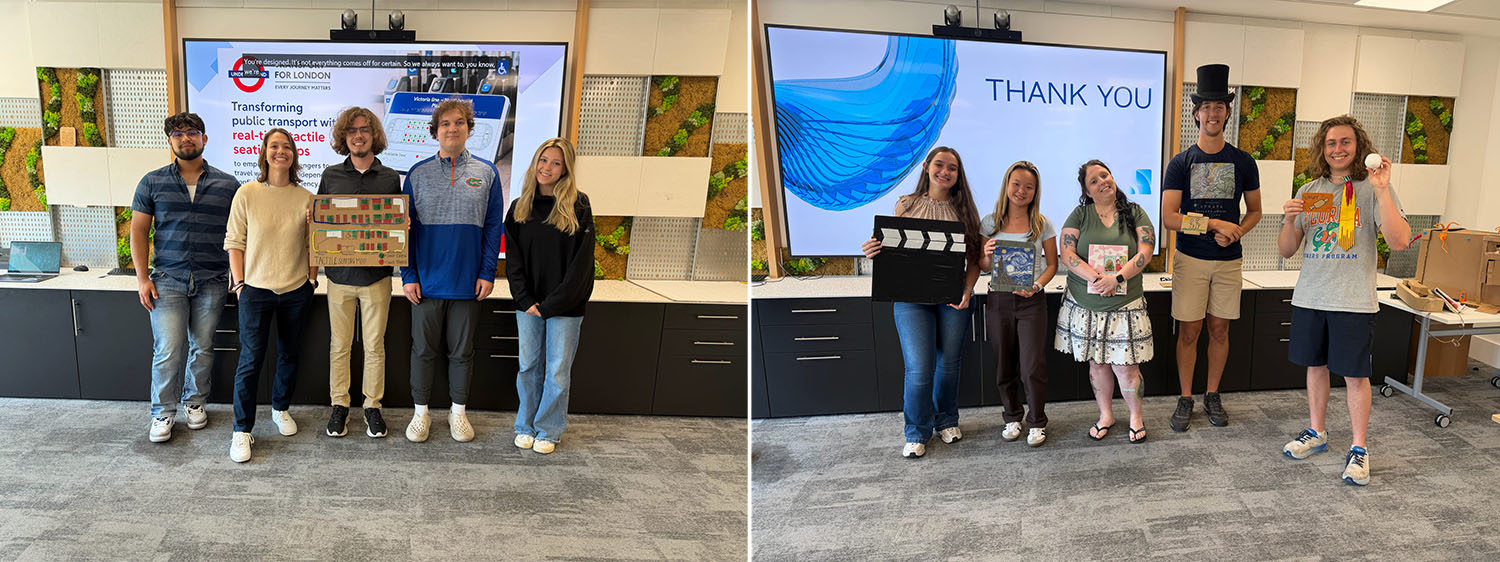
Working within interdisciplinary teams, students collaborated with people with lived experience to identify problems before attempting to design solutions. This approach encouraged deeper listening, empathy and critical thinking while demonstrating that the best innovations emerge through genuine collaboration rather than assumptions.
The programme also introduced students to some of the UK’s leading centres of innovation. Visits to Google’s Accessibility Discovery Centre demonstrated how accessibility is becoming embedded within mainstream technology, while the visit to PEARL (Person Environment Activity Research Laboratory) showcased how immersive research environments can support the design of future products and services. Students also visited Tottenham Hotspur Stadium, exploring how accessibility can be embedded within world-class sporting venues, alongside museums, community organisations and other examples of inclusive practice across London.
The learning experience combined formal teaching with active, experiential learning. Reflection formed an essential part of each day, allowing students to connect theory with practice, discuss what they had observed and consider how these experiences might influence their future careers.
The programme culminated in the RIX Inclusive Hackathon, where students worked alongside disabled people, researchers and community members to develop innovative concepts addressing real accessibility challenges. Importantly, participants learned that successful innovation begins with understanding people’s experiences rather than simply creating new technology.
The impact of the programme is perhaps best reflected in the students’ own words.
Many described arriving in London feeling uncertain about what they could contribute, but leaving with renewed confidence, empathy and a stronger sense of purpose. Several students explained that hearing directly from people with lived experience fundamentally changed how they approached engineering, healthcare, psychology, policy and design. Others spoke about discovering that inclusion is not an additional feature but the foundation of good design.
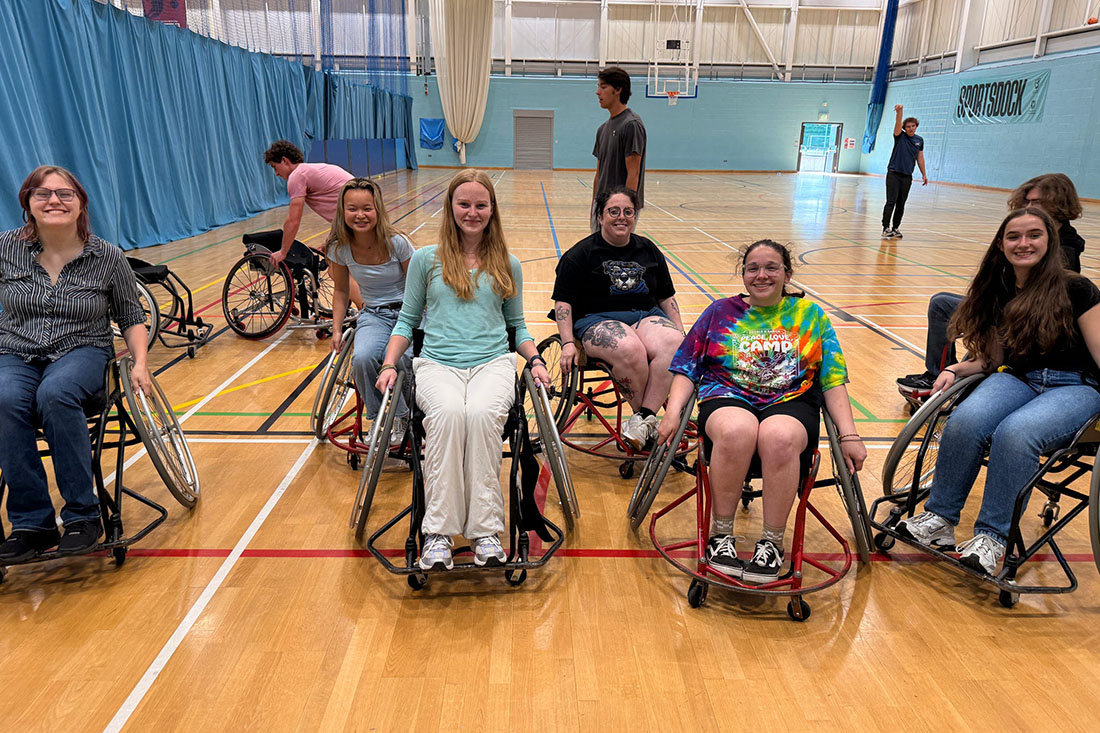
Student feedback reinforced these reflections. Participants consistently identified working alongside people with lived experience, visiting Charlton Park Academy, using London’s public transport and taking part in the Community Hackathon as the most influential aspects of the programme. Many also reported that they would take inclusive design principles into their future careers, whether in engineering, healthcare, policy, psychology or software development.
Ultimately, the RIX Inclusive Innovation Summer School is about much more than spending two weeks in London. It provides students, particularly those with disabilities and those committed to creating a more inclusive society, with an opportunity to experience another culture, challenge their thinking and become part of an international community working towards a common goal.
The programme demonstrates that inclusion is not simply about removing barriers. It is about creating environments where everyone belongs, everyone’s expertise is valued and innovation is shaped by the people whose lives it is intended to improve.
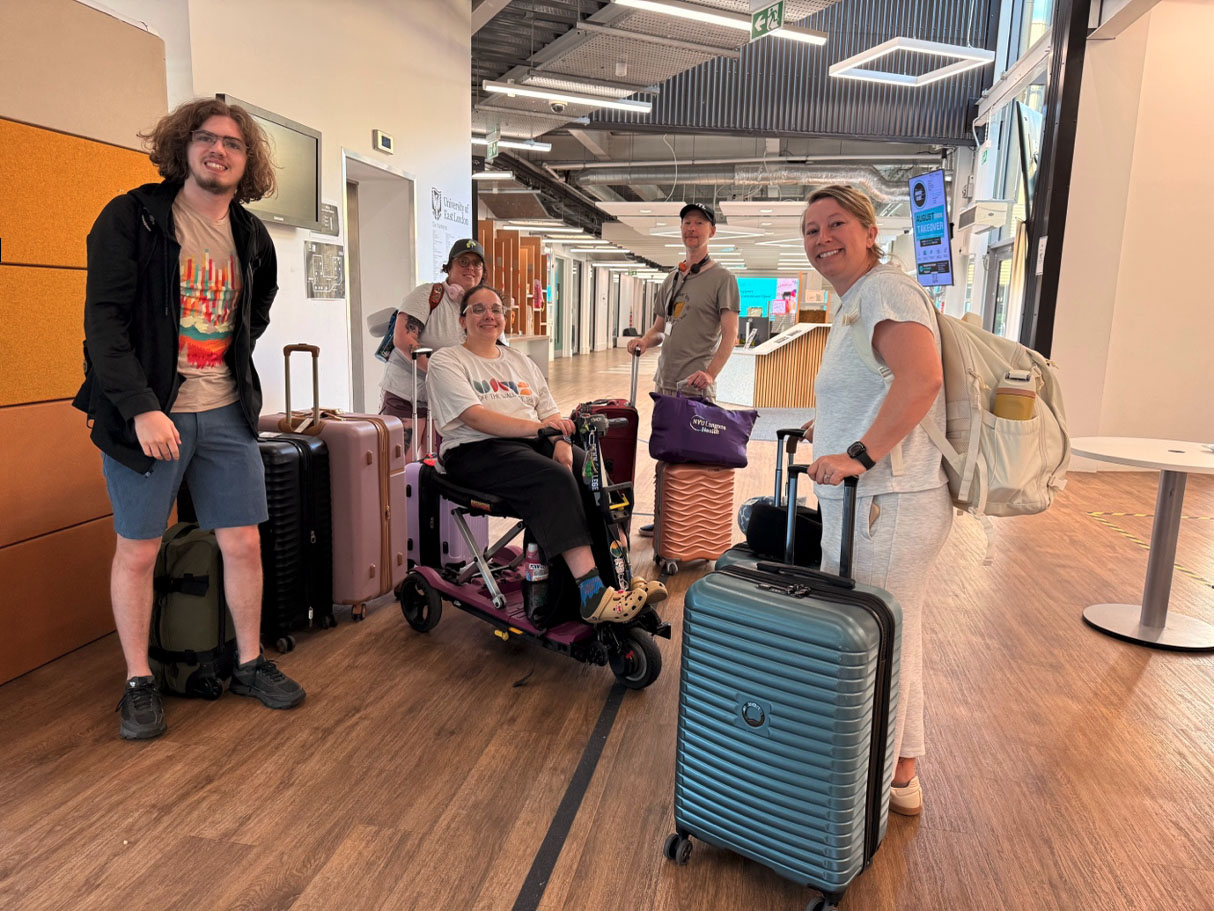
As students return home to the United States, they take with them much more than memories of London. They leave with new friendships, new perspectives and, perhaps most importantly, a renewed commitment to designing a world where accessibility, dignity and opportunity are available to everyone. That is the lasting legacy of the RIX Inclusive Innovation Summer School.
Gosia Kwiatkowska, RIX direktori