
This year we celebrated Global Accessibility Awareness Day (GAAD) on 21 May, an important international event that encourages people to think, talk, and learn about digital accessibility and inclusion.
Celebrated annually on the third Thursday in May, GAAD brings together organisations, educators, researchers, technology developers, and communities to raise awareness about the barriers disabled people can face when using digital technologies and online spaces.
At Rix Inclusive Research, accessibility is central to everything we do. We believe that digital technologies should empower people, strengthen communication, support participation, and create opportunities rather than barriers. Global Accessibility Awareness Day gives us an opportunity to reflect on the progress that has been made, while also recognising how much more still needs to be done to ensure everyone can fully participate in digital life.
Today, technology shapes almost every aspect of our lives. We use digital systems to learn, work, communicate, access healthcare, shop, travel, and connect with others. However, many websites, apps, online forms, videos, and digital services are still not designed inclusively. For many disabled people, this can create frustration, exclusion, and inequality.
Accessibility means designing technology, environments, and information so that people with different needs, preferences, and ways of communicating can use them effectively. This includes people with physical disabilities, sensory impairments, learning disabilities, neurodivergence, mental health needs, and people with profound and multiple learning disabilities. Accessibility is not only about compliance or technical standards; it is about dignity, participation, independence, and human rights.
Importantly, accessible design benefits everyone. Features such as captions on videos, clear navigation, plain language, readable fonts, voice control, keyboard navigation, and alternative text for images make digital content easier for many people to use. Accessibility supports people using mobile devices, older adults, people with temporary injuries, individuals with low digital confidence, and those using technology in challenging environments. Inclusive design improves experiences for all users.
W3C Web Accessibility Initiative videos
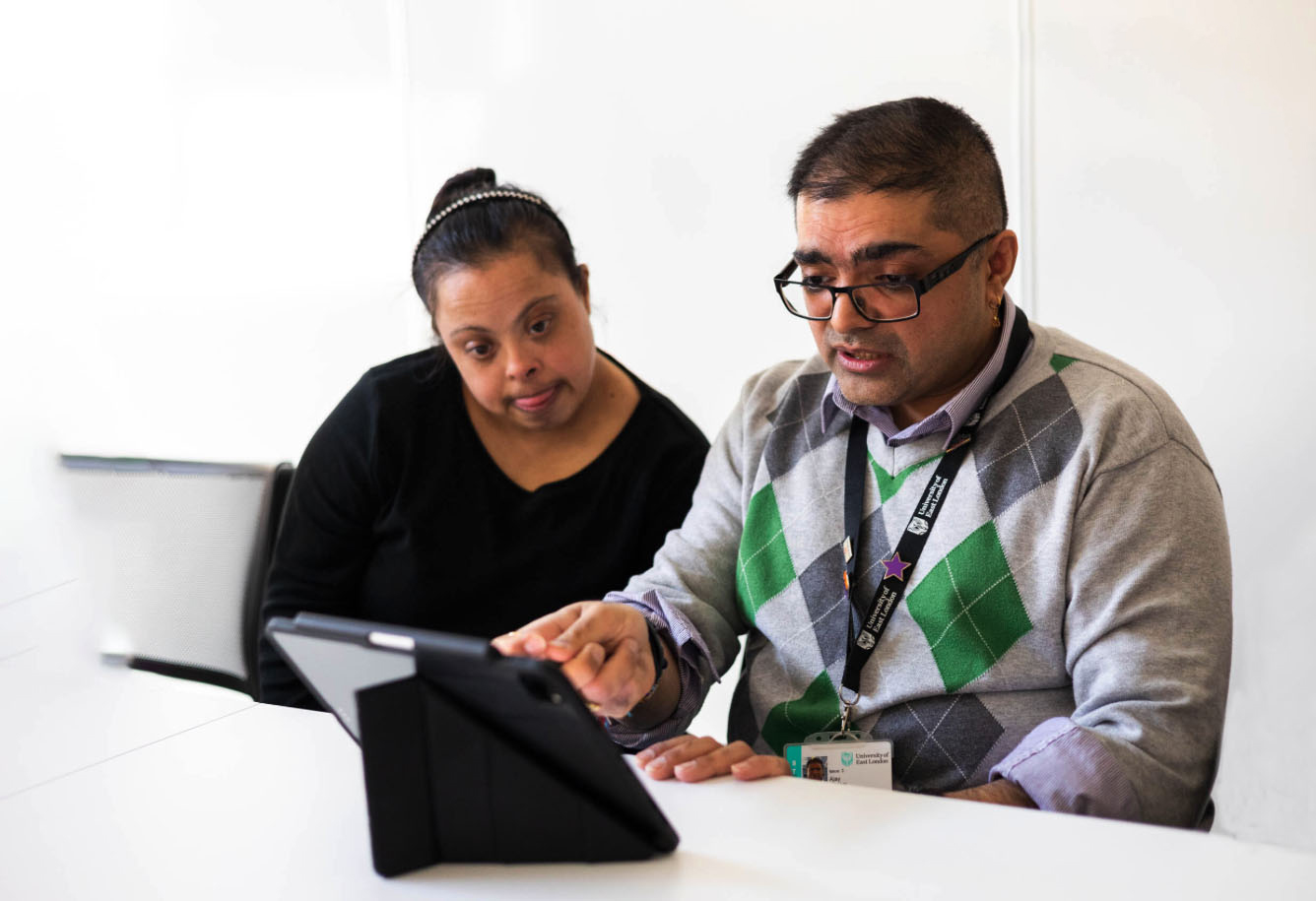
As part of the University of East London, RIX works closely with colleagues across the university to promote inclusive and accessible approaches to teaching, learning, communication, and digital practice. UEL has developed a Digital Accessibility Toolkit that provides practical guidance and resources to help staff and students create more accessible digital content and learning environments. Initiatives such as these reflect a shared commitment to embedding accessibility into everyday practice across education and research.
RIX has also been proud to contribute to wider national and international accessibility initiatives through collaborative partnerships. One example is the Accessible Academy project, led by Nottingham Trent University, which focuses on improving equity, accessibility, and inclusion in education through practical resources, training, and toolkits for educators and organisations. The platform provides guidance on inclusive teaching, accessibility, and the use of technologies, including generative AI, to reduce barriers in learning environments. Projects such as Accessible Academy demonstrate the importance of universities working together to share knowledge, develop inclusive practices, and create sustainable approaches that support diverse learners across educational settings.
At RIX, our work has long focused on creating inclusive and accessible approaches that support people with disabilities to communicate, participate, and have their voices heard. Through projects involving multimedia advocacy, inclusive research, digital storytelling, co-production, and person-centred technologies, we work directly alongside people with lived experience to develop meaningful and accessible solutions.
One of the key principles of our work is that accessibility cannot be designed for people without involving them. People with lived experience must be included as co-creators, co-researchers, designers, and decision-makers. Too often, systems and technologies are created without meaningful consultation, resulting in barriers that could have been avoided. Co-production and inclusive practice are therefore essential to creating truly accessible futures.
Here are some examples of RIX projects:
- working with RIX Wikis
- accessible multimedia communication
- Living Labs
- inklyuziv xakatonlar
- assistive technologies
- sensory and multisensory approaches
- digital inclusion programmes
We have seen how technology can support self-advocacy, improve communication, strengthen confidence, and create opportunities for participation in education, employment, research, and community life.
At the same time, we recognise that digital exclusion remains a significant issue. Many disabled people still face barriers related to:
- affordability
- digital skills
- inaccessible systems
- lack of support
- or assumptions made about their abilities
Addressing digital exclusion requires more than simply providing devices. It requires ongoing support, accessible design, inclusive training, and a commitment to listening to people’s experiences.
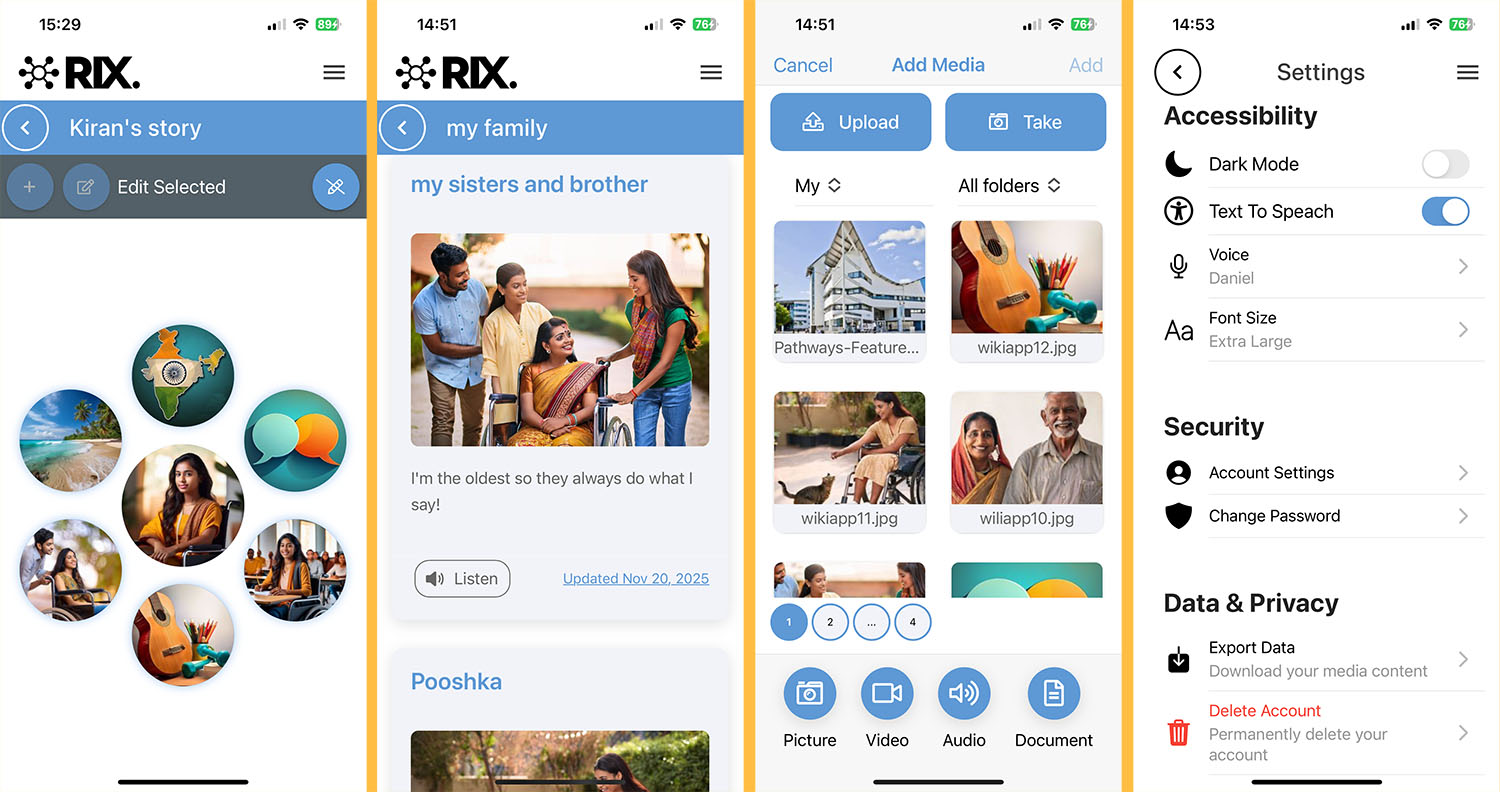
Global Accessibility Awareness Day is also a reminder that accessibility is everyone’s responsibility. Small changes can make a significant difference. Writing in plain English, captioning videos, checking colour contrast, creating screen-reader-friendly documents, providing image descriptions, and ensuring websites are easy to navigate are all practical steps that help make digital spaces more inclusive.
For organisations, accessibility should not be viewed as a one-off task or checklist. It should be part of organisational culture, values, and everyday practice. Inclusive communication and accessible design need to be embedded across teaching, research, services, and technology development.
At Rix Inclusive Research, we remain committed to promoting accessibility, inclusion, and participation in all aspects of our work. We will continue working alongside people with disabilities, families, communities, and organisations to challenge barriers and develop creative, person centred, and inclusive approaches that value everyone’s voice.
Global Accessibility Awareness Day reminds us that accessibility is not simply about technology — it is about people, equality, and creating a world where everyone can participate fully and meaningfully.
Gosia Kwiatkowska, RIX direktori