
On 10 September, we were delighted to contribute to Shout About Sex! at the Brady Centre, Whitechapel, a one-day Supported Loving event led by Claire Bates, Founder and Head of Supported Loving at Choice Support.
Shout About Sex is a welcoming and inclusive event that brings together people with learning disabilities, families, support staff and professionals to talk openly about sex, relationships, friendship, rights and what matters to people in their lives. The day included workshops, information stalls, networking opportunities and a keynote session from the CQC, creating space for honest conversations, shared learning and meaningful connections.
As part of the programme, over 30 participants attended our workshop, Yes, We Can Have Sex!, facilitated by Lisel Terret, Stephanie Newman and Creative Support worker Georgia Carnaby. The workshop showcased extracts from the award-winning disability-led theatre production Not F**kin’ Sorry! (NFS) developed by Not Your Circus Dog (co-produced by Barcha hududlarga kirish) , and explored themes including the right to private time, being proud, sassy and sexy, having relationships if we so desire, and what the right support looks like in enabling people to live fulfilling lives.
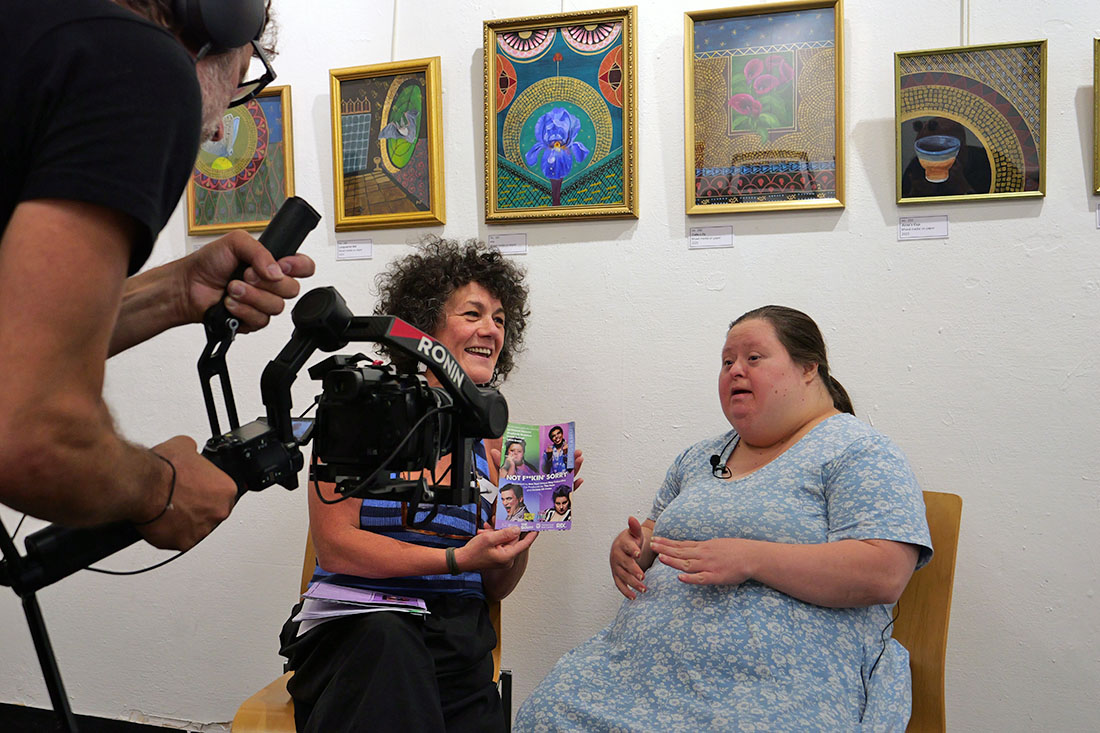
Using film clips, inclusive discussion and participative creative interactive activities, participants reflected on the barriers that learning disabled people can face around relationships, intimacy, self-expression and autonomy. Conversations explored how services, families and professionals can support greater choice and independence while balancing important considerations around safeguarding and risk.
The workshop generated thoughtful and powerful responses, with participants describing the work as “fierce”, “anarchic”, “provocative”and “refreshing”. One attendee commented:
“It’s really refreshing to see people talking about it.”
Another reflected:
“It makes me feel slightly sad because it’s still so unusual.”
A central theme of the discussion was the importance of challenging stereotypes and recognising learning disabled people as experts in their own lives. Participants explored how conversations about sexuality, relationships, identity and desire are often absent from support planning and everyday practice, despite being fundamental aspects of human experience.
The workshop also highlighted the tension that can exist between safeguarding and personal autonomy, prompting attendees to consider how organisations, professionals and support networks can enable rather than restrict people’s rights and choices. Many participants spoke about taking away new perspectives on relationships, privacy, support and inclusion, while others expressed interest in future screenings, workshops and training opportunities.
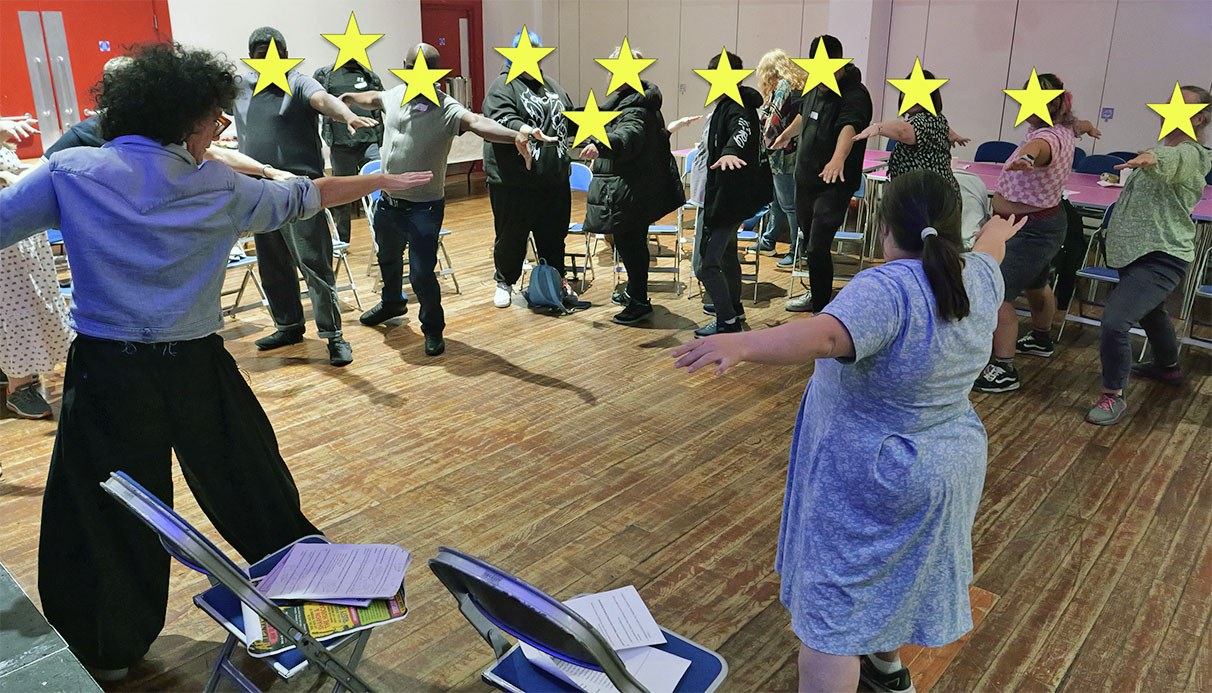
Perhaps the most powerful feedback came from participants who spoke about the importance of “being seen”, the value of “unapologetic representation”, and the reminder that:
“It’s OK to be you.”
The workshop demonstrated the continuing impact of Not F**kin’ Sorry! as pedagogical practice for training. Developed through lived experience, research and creative practice, NFS! The Film continues to create opportunities for learning, reflection and social change. The session opened up important conversations about relationships, sexuality, autonomy and representation, while challenging participants to think differently about safeguarding, rights and support.
The event also reinforced the vital work being led by Supported Loving and its partners to ensure that people with learning disabilities have opportunities to talk openly about relationships, rights, connection, belonging and self-expression. Importantly, the workshop generated interest in future screenings, training, partnerships and wider dissemination, demonstrating the continuing relevance and reach of this award-winning disability-led project.
Key Themes Explored
- Relationships, sexuality and human rights
- Privacy, autonomy and choice
- Challenging ableist assumptions
- Safeguarding and gatekeeping
- Disability-led storytelling and lived experience
- Representation, identity and inclusion
- Organisational and cultural change
A huge thank you to Claire Bates and the Supported Loving team for organising such an important event, to Stephanie Newman for such fantastic co-facilitation and Georgia Carnaby for their support throughout the day, and to Adam Moffat-Seaman for capturing the workshop through photography.
Liselle Terret, Associate Professor in Performance, RIX affiliate