
Взаимодействие политиков и людей с ограниченными возможностями: разработка инклюзивного подхода Citizen Science для обеспечения цифровой финансовой доступности
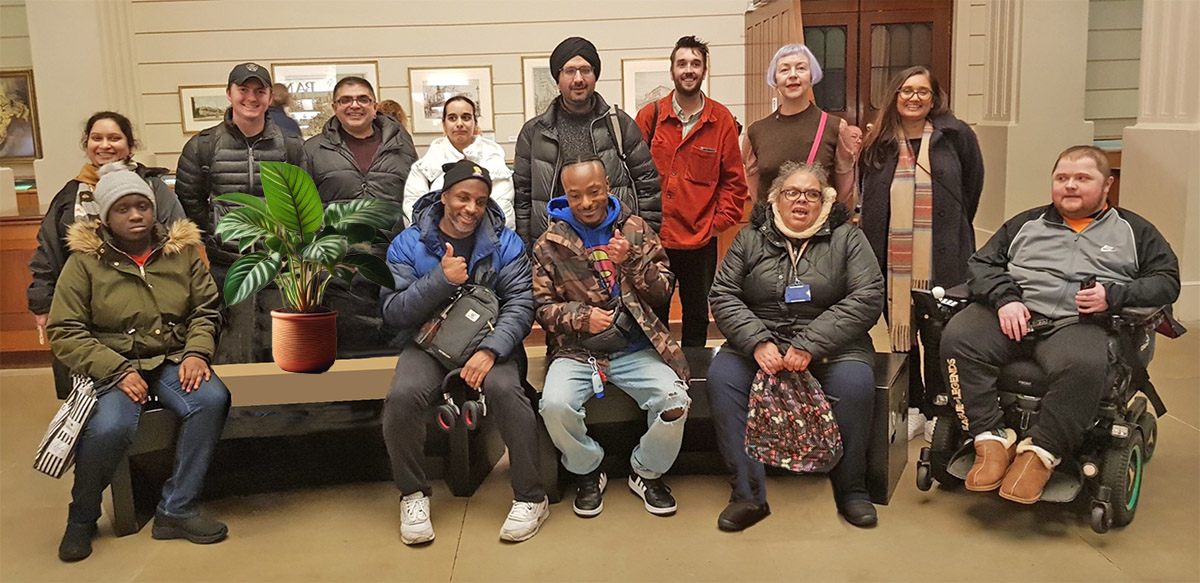
Соисследователи RIX и члены PurpleSTARS посетили Музей Банка Англии в сотрудничестве с Академией гражданских наук UCL, чтобы узнать, как инклюзивный деньги сейчас, и насколько инклюзивными они будут в будущем.
Наши идеи были навеяны статьей Я забыл свои цифры, и машина их проглотила в которой взрослые с ограниченными возможностями здоровья делятся своими взглядами на переход к безналичному обществу. Статья написана Полом Уоттсом, Джанет Хоскин, Радхикой Упадхьяй, Эммой Тапли и Госией Квятковской.
Наши исследовательские вопросы
- Что такое деньги?
- Что беспокоит вас по поводу денег сейчас и в будущем?
- Что вы думаете о сокращении использования банкнот и монет и о будущем, в котором будут только онлайн-банкинг и цифровые деньги?.
- Хотим ли мы безналичного будущего? Если да, или если уже слишком поздно остановить упадок физических денег, как сделать так, чтобы финансовые продукты, такие как онлайн-банки и банковские приложения, были более доступными и инклюзивными?
Мы начали наше исследование того, что такое деньги, с посещения музея Банка Англии и его выставки Будущее денег, Там мы познакомились с кураторами выставки и музея.
Мы изучали влияние нынешних денежных проблем, в том числе распространенность мошенничества. Основную озабоченность вызывают мошенники в Интернете и телефонные аферы, когда преступники убеждают нас вложить деньги в быстро разбогатеть В результате люди не знают, кому доверять и как защитить себя.
Закрытие многих физических банков, куда люди могли прийти и познакомиться с банковским служащим, было отмечено как большая потеря. Использование онлайн-банков, запоминание паролей и сложные процедуры регистрации были названы проблематичными. Обсуждалось отношение людей, работающих в банках, и говорилось о том, что сотрудников нужно учить считаться с другими, быть вежливыми и давать людям время на понимание. Когда что-то идет не так, все соглашаются, что предпочли бы обсудить это с реальным человеком, а не заполнять онлайн-форму или общаться с чат-ботом.
Мы любим наличные, нам приятно и удобно прикасаться к деньгам. Мы также попробовали понюхать их, и нам понравился звук, с которым они хрустят. Мы обсудили, как наличные деньги - монеты и купюры - могут помочь в составлении бюджета. Картой очень легко пользоваться, и всем понравилось, что не нужно вычислять, сколько сдачи нужно получить. Однако люди также обнаружили, что легче перерасходовать деньги и труднее удержаться от покупки, когда все, что вам нужно сделать, - это Тап, тап, тап...
Мы хотим узнать, что другие люди думают о безналичном будущем, и изучаем, как сделать это в творческой форме, чтобы привлечь внимание людей, ответственных за разработку того, какими будут деньги в будущем.
Соисследователи PurpleSTARS из компании Rix Inclusive Research примут участие в выставке Научная ярмарка граждан Ньюэма на Суббота 12 апреля. Наша экспозиция будет включать концепцию Банка фиолетовых звезд (БФЗ) - творческий подход к вовлечению жителей Ньюхэма, предлагающий им высказать свои мнения, опасения и идеи по поводу денег как сейчас, так и в будущем. Взамен BPS предлагает посетителям Newham Citizen Fair возможность поучаствовать в играх и творческих занятиях, включая дизайн значков, банкнот, денег и бесконтактных карт.
Мы также представим идеи, находящиеся в разработке, для наших образовательных ролевых персонажей, Кибермошенник (герой) и Хомяк Скамстер (злодей).
Мы поделимся нашими выводами с политиками и разработчиками будущих финансовых продуктов с целью продвижения инклюзивных разработок как части более инклюзивного цифрового финансового будущего.