
At RIX, our work is rooted in collaboration, co-production, and learning across borders. Recent international activities across Egypt, Saudi Arabia, and Uzbekistan have provided powerful opportunities to share our approach to inclusive research and practice, while also learning from colleagues, students, and leaders who are equally committed to creating more accessible and inclusive societies. These experiences remind us that inclusion is a global conversation — and one that grows stronger through shared experiences, partnerships, and mutual learning.
Egypt: Inclusion, Learning and Cultural Exchange
Our visit to Egypt centred around participation in an international summit and the Tamkin 2026 programme, both focused on advancing inclusive education and opportunities for students with disabilities.
Two students travelled with me as part of the RIX delegation. Their presence was essential. Inclusion is not something we talk about for students — it is something we build with them.
International Summit: Conversations on Inclusive Universities
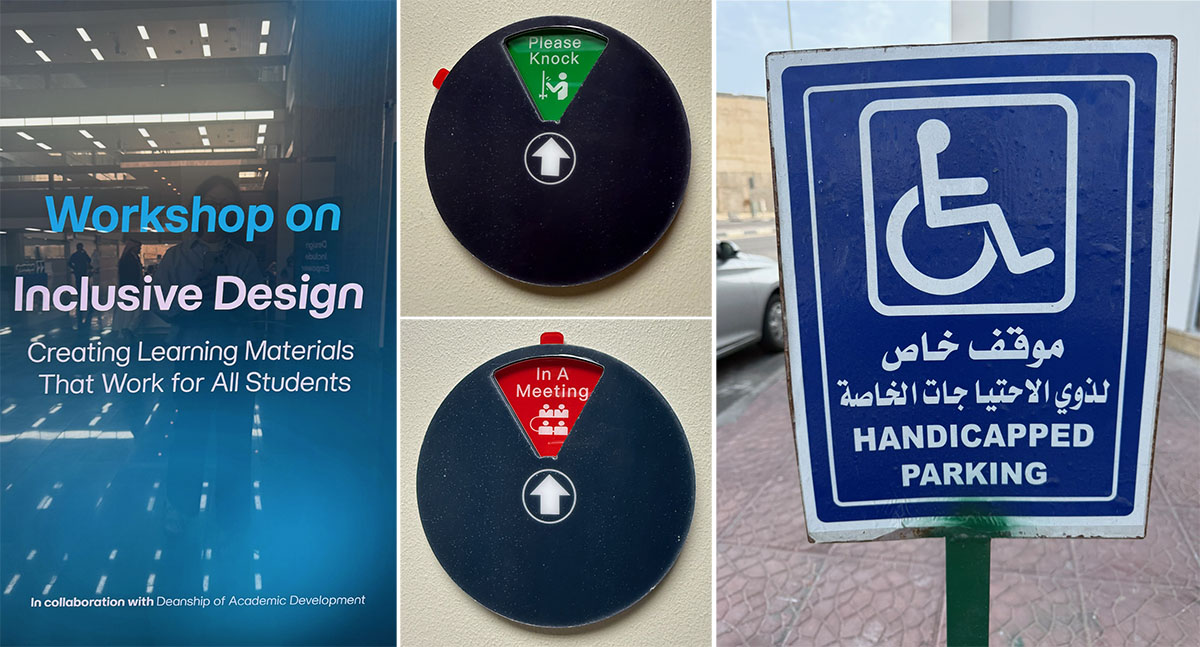
At the summit, I presented to an audience that included the Minister of Higher Education, university leaders, professors, and practitioners. The focus of our contribution was clear: how we can work together to make universities more inclusive, accessible, and responsive to diverse learners.
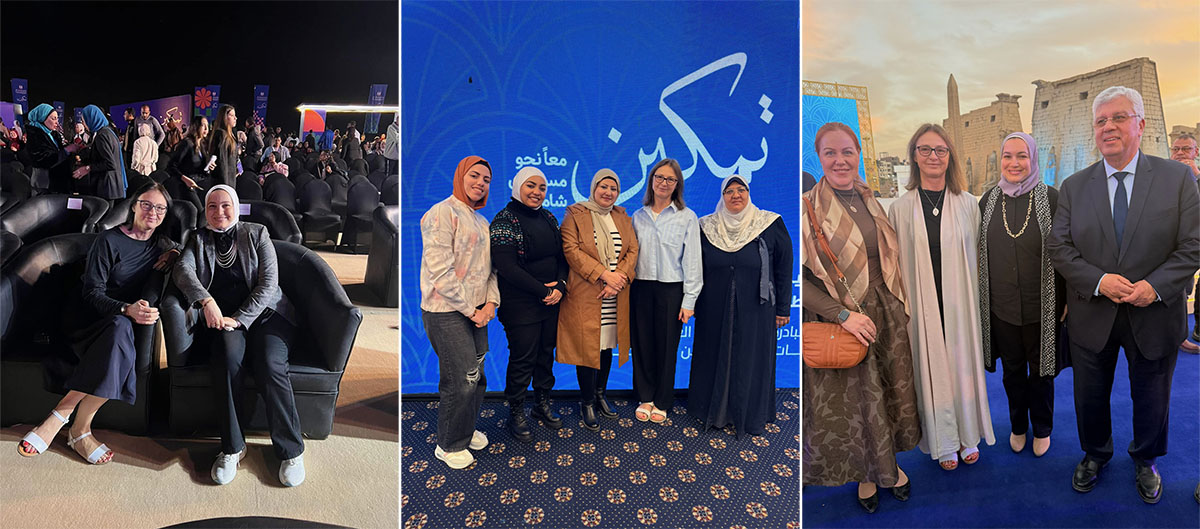
We shared RIX approaches to:
- Co-production with people with lived experience
- Multimedia advocacy and digital inclusion
- Universal Design for Learning (UDL)
- Creating inclusive learning environments across teaching, research, and student life
The discussion highlighted a shared commitment across countries to move beyond policy statements and into practical implementation — designing systems, spaces, and cultures where all students can participate and flourish.
Student Participation and Global Connections
The two students who travelled with us participated fully in the conference and in the Tamkin 2026 programme. They met students from other universities, exchanged ideas, and experienced international collaboration first-hand.
This experience strengthened their confidence, networks, and sense of belonging within a global community working toward inclusion. It also demonstrated the importance of creating opportunities for students to participate in international spaces as active contributors, not just observers.
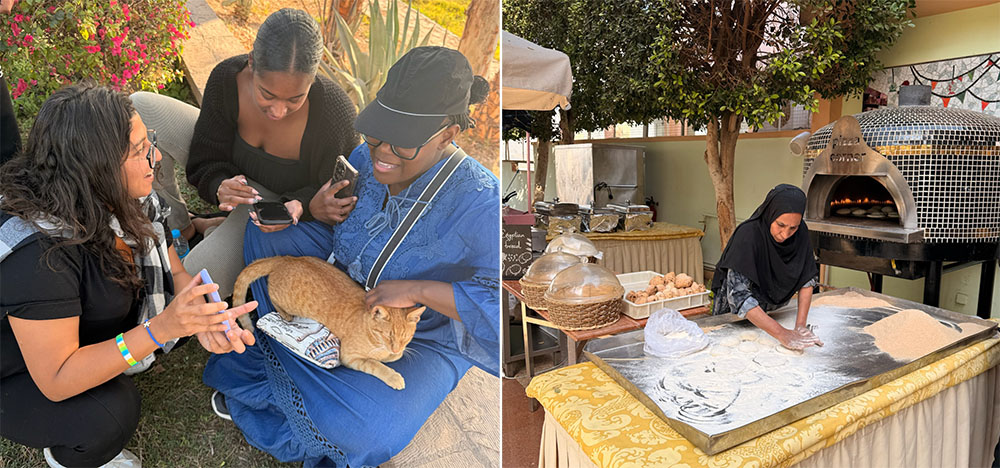
Experiencing Egypt Together
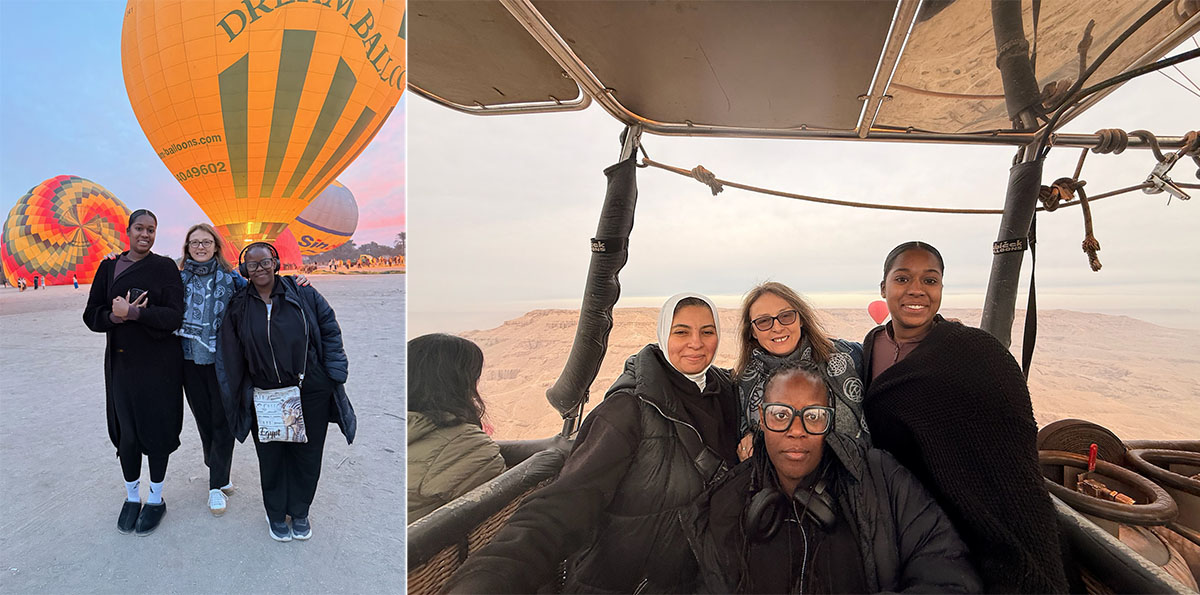
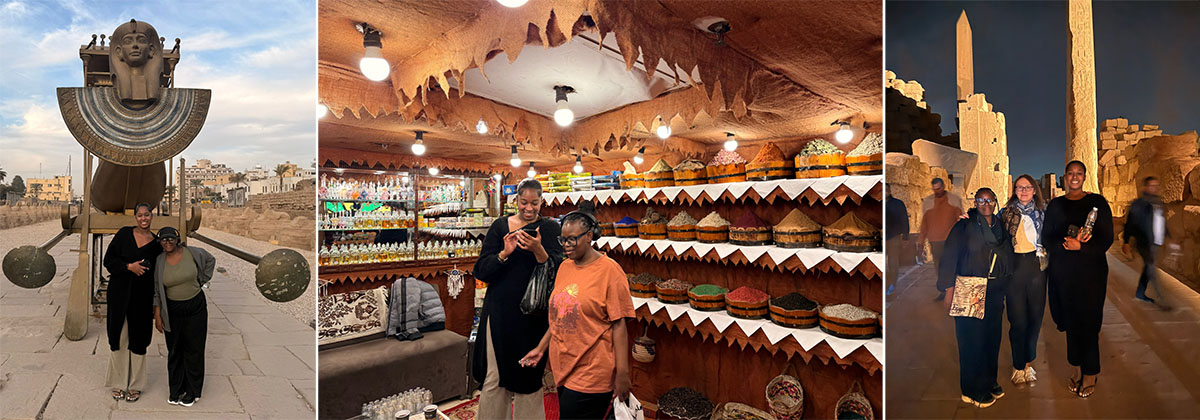
Alongside the academic programme, we shared cultural experiences that deepened our understanding of Egypt’s history and richness. Together with the students, we visited some of Luxor’s most iconic sites:
- The Valley of the Kings
- Luxor Temple
- A sunrise hot air balloon trip over the Nile and ancient monuments
These shared moments created space for reflection, connection, and joy — reminding us that international collaboration is also about building relationships and shared memories.
Saudi Arabia: Learning Through Dialogue and Experience
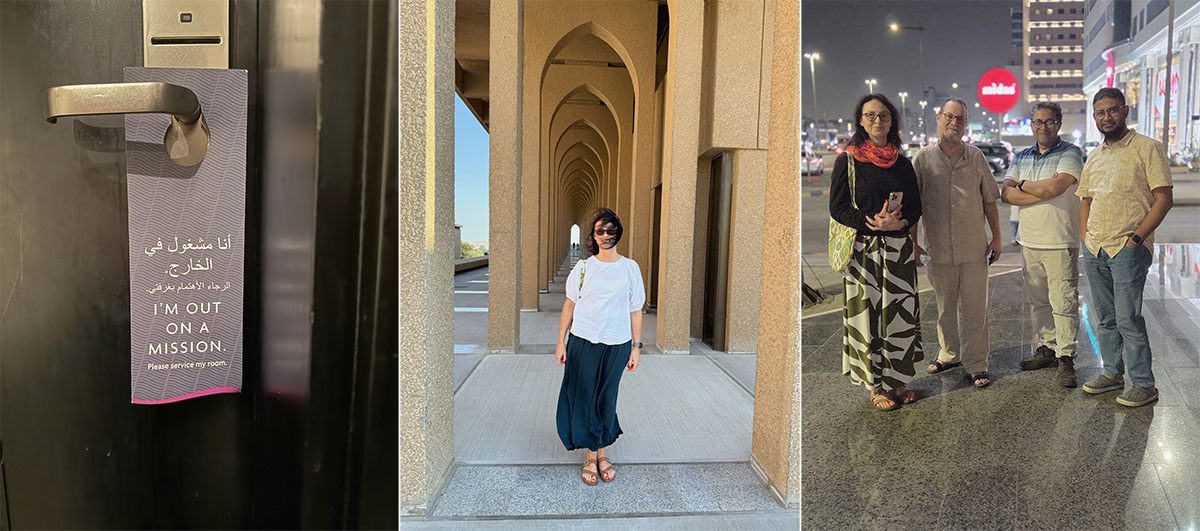
The visit to Saudi Arabia offered another valuable opportunity for professional exchange and cultural learning. Meetings and conversations focused on inclusive practice in education and the role of universities in creating accessible environments for all learners.
I also had the opportunity to learn from colleagues and experience local traditions and hospitality. One memorable experience was visiting a traditional restaurant where we sat on the floor and shared food together. This offered a meaningful insight into cultural practices and the importance of respect, openness, and curiosity when building international partnerships.
Uzbekistan: Building Capacity for Inclusive Systems
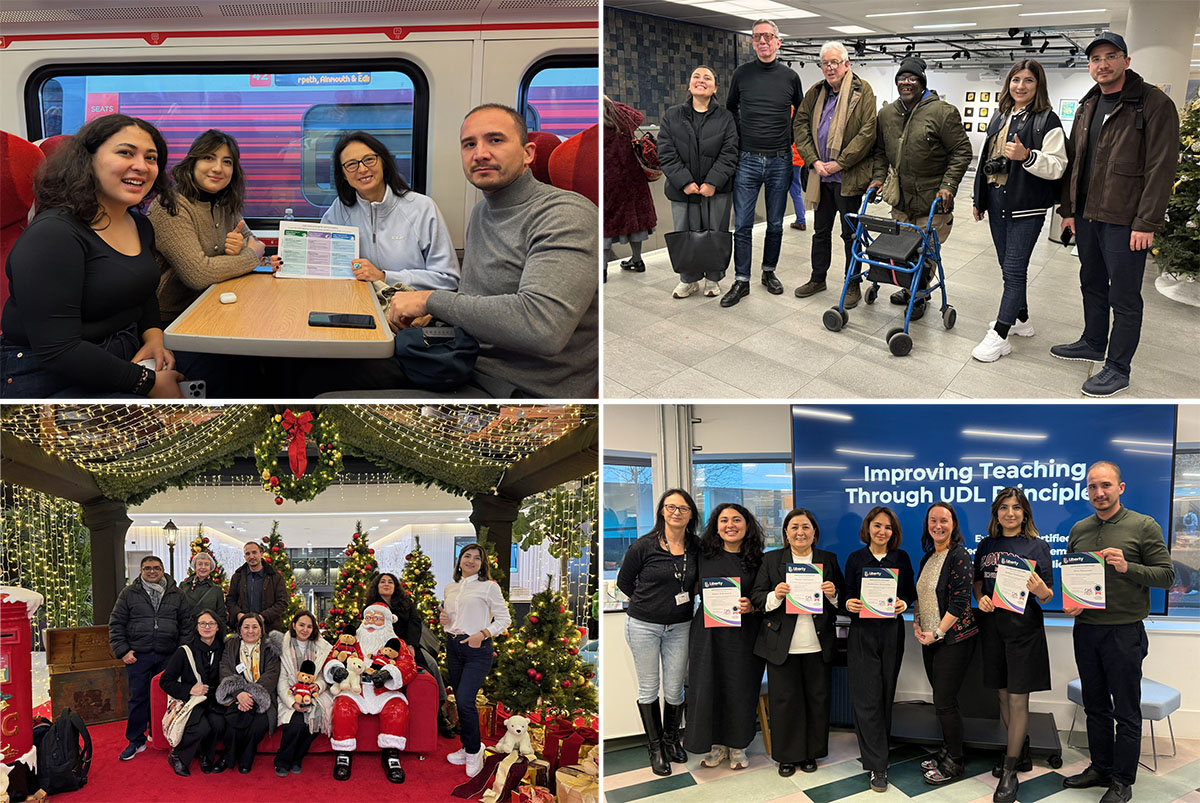
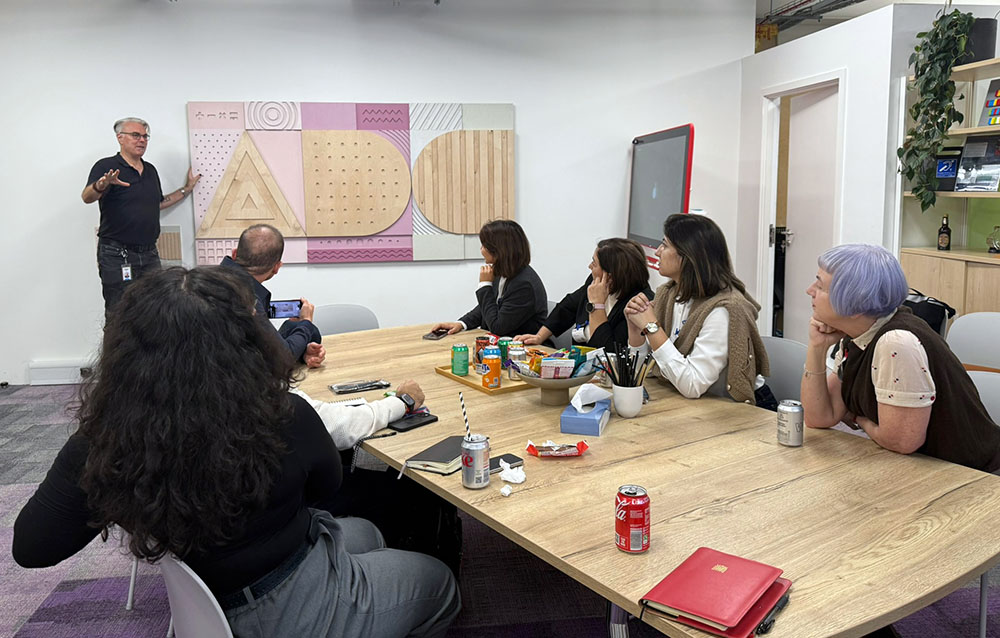
In the first two weeks of December, we were delighted to host colleagues from Uzbekistan at the RIX Centre as part of our ongoing collaboration with the National Agency for Social Protection and the International Inclusive Hub.
We welcomed leaders from the Hub and lecturers from Tashkent Pedagogical University for an intensive programme of training and exchange. The sessions focused on developing inclusive systems across education and social protection, with particular emphasis on:
- Universal Design for Learning and inclusive curriculum design
- Digital tools for advocacy and participation, including Rix Wiki
- Co-production and working with people with lived experience
- Developing inclusive research and leadership capacity
- Practical strategies for implementation within universities and national systems
The training created a vibrant space for dialogue, reflection, and shared learning. Colleagues explored how inclusive approaches can be embedded across teaching, student support, and policy frameworks. It was inspiring to work together on practical solutions that can support students with disabilities and create more inclusive educational environments in Uzbekistan.
This partnership continues to grow and forms part of a wider programme of collaboration to strengthen inclusive vocational and higher education systems.
Looking Ahead: Continuing the Work Together
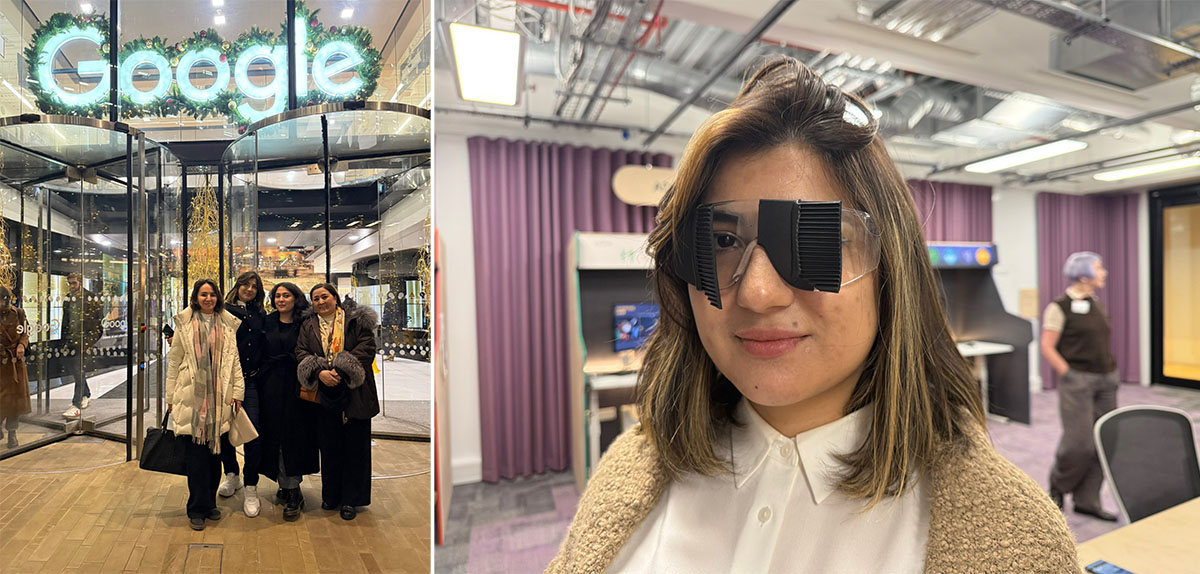
Looking ahead, we are now preparing for a two-week visit to Uzbekistan, where we will deliver an intensive programme of training for teachers, academics, and leaders from universities, further education colleges, and vocational education institutions.
The focus of this next phase will be on supporting inclusive teaching and learning across vocational qualifications and higher education. Together with our partners, we will explore practical strategies to ensure that students with disabilities can access, participate in, and succeed within vocational and academic pathways.
Alongside the training programme, we are also working collaboratively with the National Agency for Social Protection and university partners on the development of a white paper and policy recommendations for the Government of Uzbekistan. This work aims to support long-term systemic change by embedding inclusive principles within national policy, educational frameworks, and institutional practice.
Our work is grounded in partnership and mutual learning. We are not simply delivering training; we are working together — sharing knowledge, listening, testing ideas, and co-creating solutions that are meaningful within local contexts. Through this collaboration, we hope to contribute to sustainable, inclusive systems that support all learners to thrive.
Reflections: Building Inclusive Universities Together
Across Egypt, Saudi Arabia, and Uzbekistan, several shared themes have emerged:
- Inclusion is a global priority requiring collaboration and leadership
- Students and people with lived experience must be central partners
- Cultural exchange strengthens professional relationships
- Practical tools and approaches are essential to turn vision into reality
We are proud to represent RIX internationally and to contribute to global conversations about inclusion, accessibility, and participation. Just as importantly, we return inspired by the commitment and innovation of our partners and colleagues around the world.
These collaborations remind us that meaningful change happens when we work together — across institutions, countries, and cultures — to create learning environments where everyone can belong and succeed.
Гося Квятковска