
A new co-researcher-led evaluation has revealed the value of the RIX Big Ideas course for students with learning disabilities, highlighting its impact on learning, confidence, relationships and aspirations.
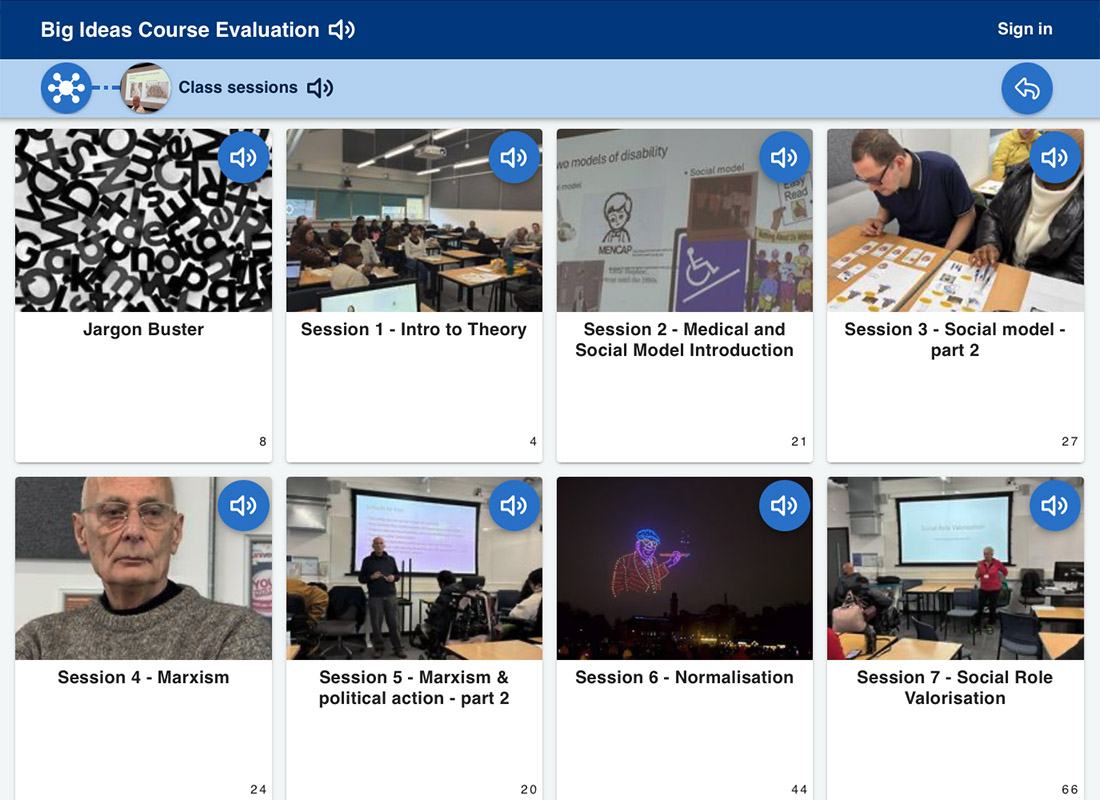
The RIX Big Ideas course at the University of East London brings people with learning disabilities and social work students together to learn as equals. Over 22 weekly sessions, students explored influential ideas about disability, including power, inequality, institutionalisation, the social model of disability and the history of exclusion.
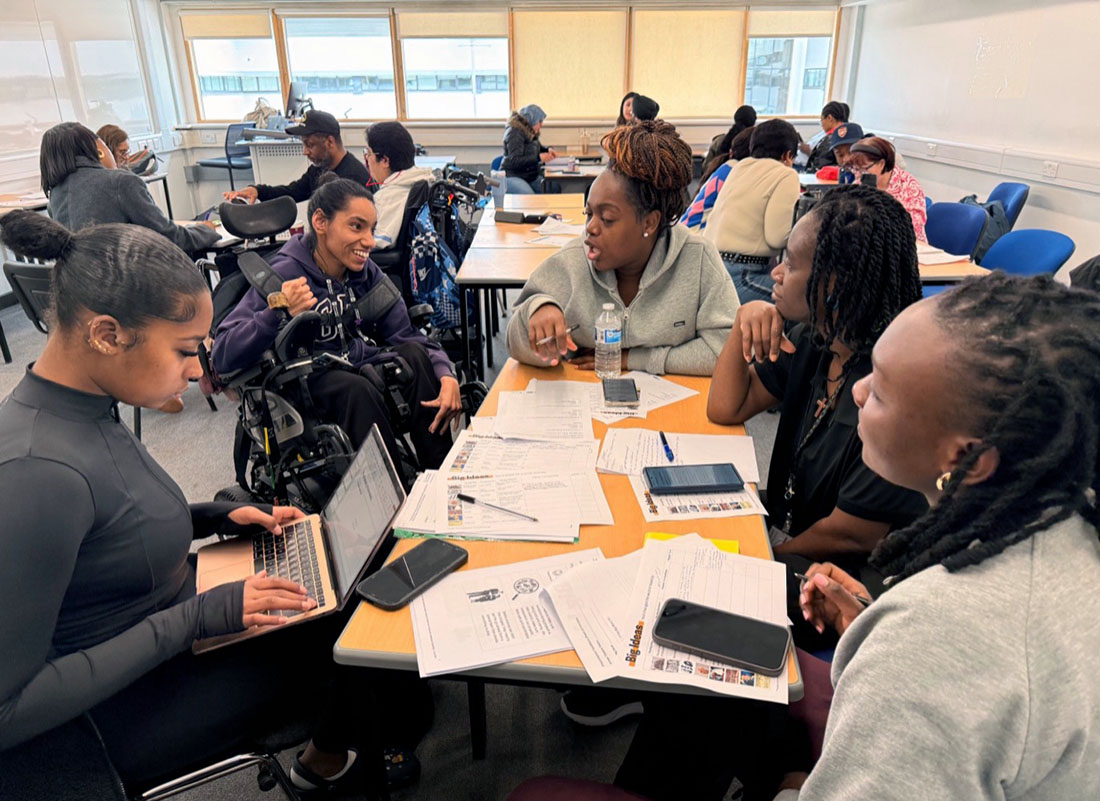
Rather than learning about people with learning disabilities from textbooks or case studies, social work students learned alongside people with lived experience. Everyone contributed knowledge, asked questions and connected complex theories to real life.
An evaluation led by lived experience
The evaluation focused specifically on what students with learning disabilities gained from taking part.
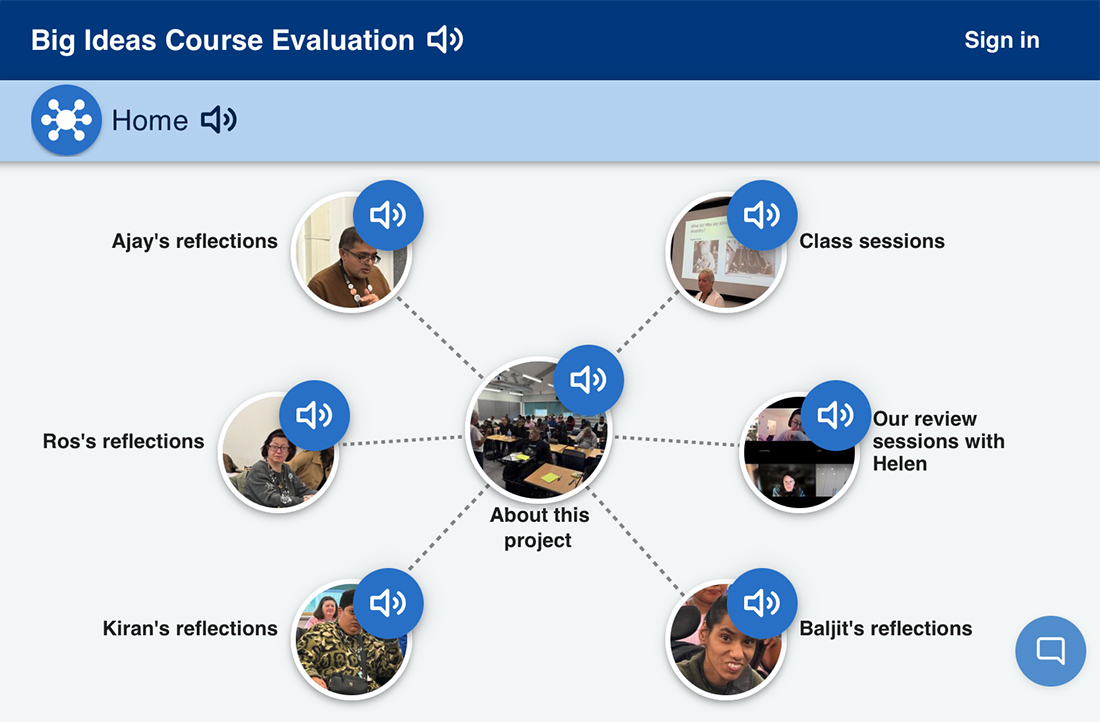
The evaluation team included RIX co-researchers Baljit Taggar, Kiran Dhillon and Ros Weinberg, RIX staff member and Expert by Experience Ajay Choksi, and social work student Jessica Reynolds. The work was facilitated by independent researcher Dr Helen Evans.
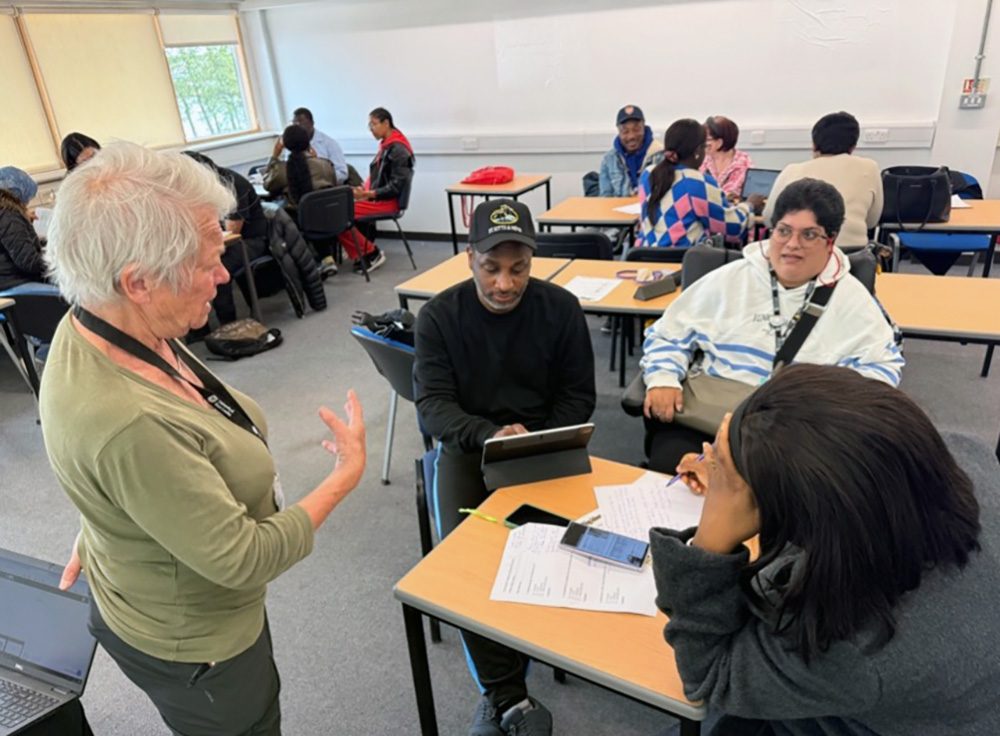
Following each class, the evaluators met to reflect on their experiences using photographs, videos and materials uploaded to a shared RIX Wiki. They used an accessible version of the Value Creation Framework to identify different kinds of value created through the course.
Importantly, the co-researchers did not simply provide information for somebody else to analyse. They helped interpret their own experiences, decide what mattered and shape the evaluation findings.
More than access to a university classroom
The evaluation found that the course created value in many interconnected ways.
Participants described enjoying learning and developing a stronger interest in theory. Several carried out their own research between sessions because they wanted to understand the ideas more deeply. They applied theories about power, choice, disability and inequality to their own lives and began identifying how these ideas could influence other people and services.
The course also created a sense of achievement and belonging.
This course is so much better than any course I had before.
Baljit
Participants reported increased confidence, stronger self-advocacy and new ambitions. Some wanted to help deliver future courses, present at conferences or encourage other universities to adopt similar approaches. Kiran expressed a desire to continue into higher education.
I still want a black cap to get a degree.
Kiran
The findings also show what genuine inclusion requires. Accessible rooms, reliable transport, speech-to-text technology, flexible online participation, easy read information and skilled technical support all affected whether people could participate fully.
The evaluators also identified improvements for future courses, including better transport arrangements, more accessible technology and information about forthcoming sessions so that Experts by Experience can prepare their contributions.
Learning through inclusion
The report demonstrates that inclusive education is about much more than inviting people into an existing course. It requires universities to value different forms of knowledge, remove barriers and enable people with and without learning disabilities to learn from one another.
Get people with learning disabilities and people without learning disabilities to work together.
Ajay
The RIX Big Ideas course shows what becomes possible when people with learning disabilities are recognised not only as contributors to professional education, but also as students, theorists, evaluators and creators of knowledge.
Gosia Kwiatkowska