
Today, as a RIX intern, I had a double header as we got to travel through the city to visit both the Google Accessibility Discovery Centre and Tottenham Hotspur Stadium.
Visiting the Google ADC was so cool, and felt like stepping into the future of inclusive design. Such a massive and modern building that had a lot of energy. The actual ADC room was grounded and very human.
Christopher Patnoe, who leads accessibility there, had this mix of tech‑genius energy with a RIX lived‑experience lens. Hearing how he only discovered accessibility because his own product wasn’t accessible made the whole space feel wholesome. This ADC has only been open since December 2022, and already over 12,000 people have been through it, with six centres worldwide. They plan on opening three more, including one on the continent of Africa.
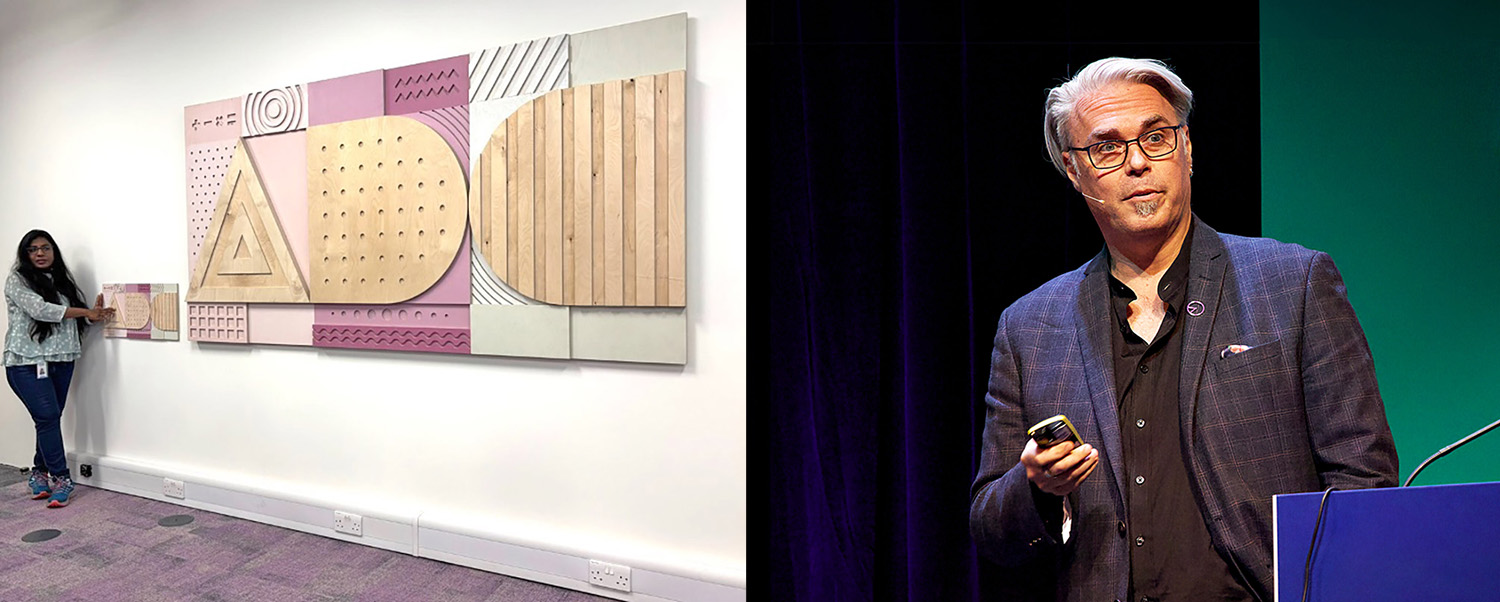
Everything Christopher said connected back to RIX. Progress over perfection was his whole motto. The straw analogy he demonstrated stuck with me: different straws for different people – such a simple way to explain why one‑size‑fits‑all design never works. He kept emphasising how it is crucial to ask people who is important to them, and I kept thinking about the work at RIX and working with the co-researchers and their phrase nothing about us without us.
Touring the arcade, seeing accessible gaming setups, exploring text‑to‑speech tools, image description tech, and NotebookLM all reinforced the idea that technology can help solve problems, but it shouldn’t try to replace people. The real work is making sure tech is built with lived experience at the centre, and that requires empathy, collaboration, and a willingness to design for the edges.
We left Google ADC and headed towards Tottenham Hotspur Stadium. I honestly didn’t expect to learn much, as I’ve been a Spurs fan for as long as I can remember. I thought it would just be a fun tour exploring a familiar place. Instead, it turned into one of the most unexpectedly educational experiences of the internship. The guides were incredible, and walked us through the club’s history, the architecture, and the behind‑the‑scenes systems that make the stadium one of the most advanced in Europe. The massive TV screens, the acoustics engineered to hit decibel levels higher than a 747 during the Man City Champions League match, the 2068 time capsule – all of it was absolutely wild.
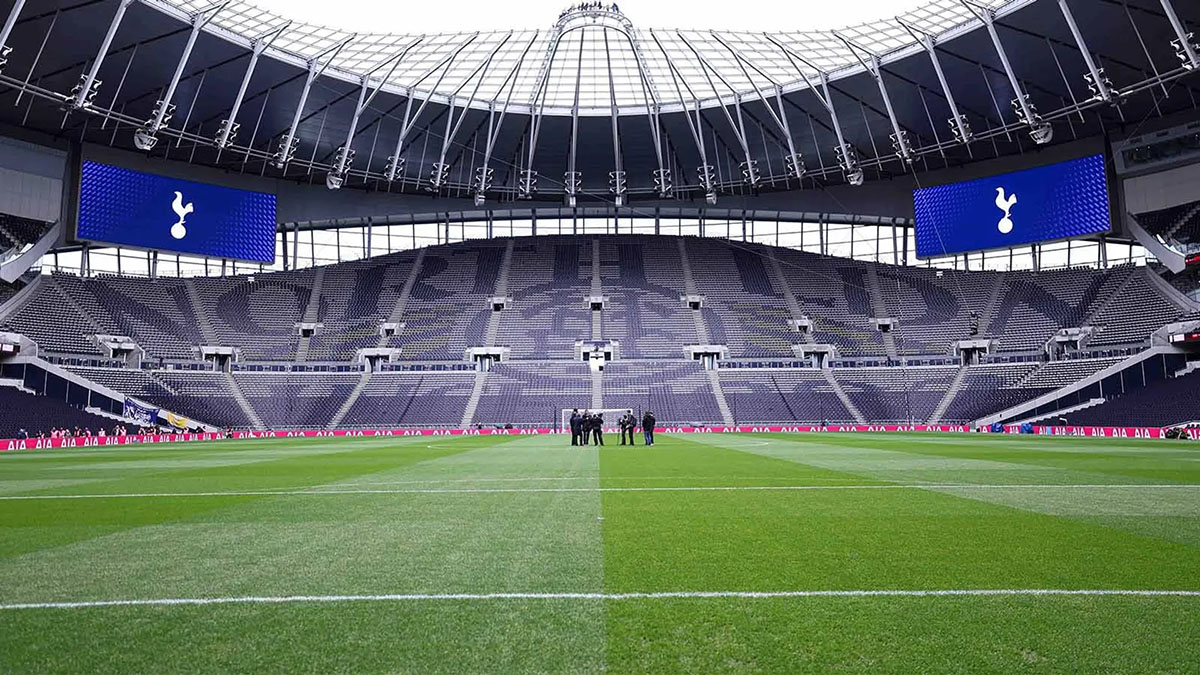
There is so much RIX work at play too: the sensory suite and the neurodivergent‑friendly design are built into the stadium. Seeing accessibility embedded into a sports environment I’ve loved my whole life made it feel personal. The media room with translation tools, text‑to‑speech, and accessible lifts showed how inclusion can be woven into every part of an experience. And getting an exclusive tour through RIX, as a lifelong Tottenham fan, was genuinely surreal, like two parts of my London identity finally intersected.
Putting both experiences together, I realized how much RIX has changed the way I see the everyday world. I’m noticing accessibility everywhere now in tech, in sports, in architecture, and in the way people move through spaces. I’m thinking more about lived experience, about who gets included and who gets left out, and about how design choices impact real people. I’m asking better questions, and I’m understanding that accessibility isn’t a feature but a mindset. Despite leaving at the end of this week, I’ve been Rixified, and I know this mindset will shape the way I work in med‑tech, public health, and every future role I step into.
Ian Smith, CAPA intern