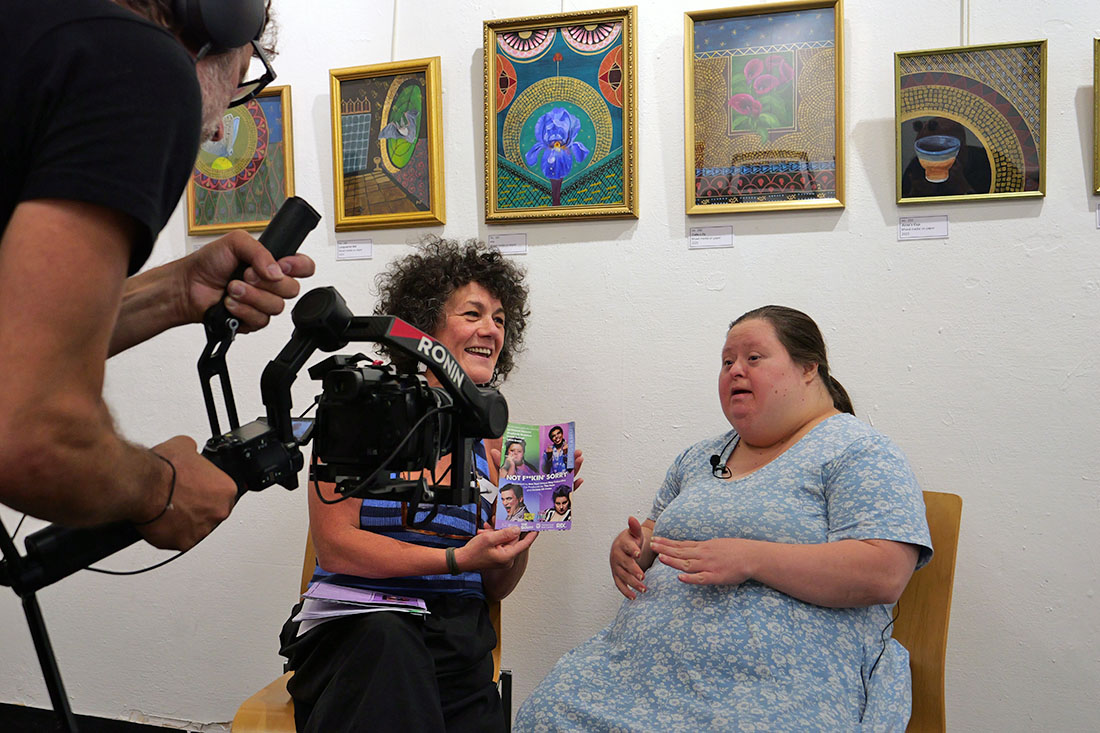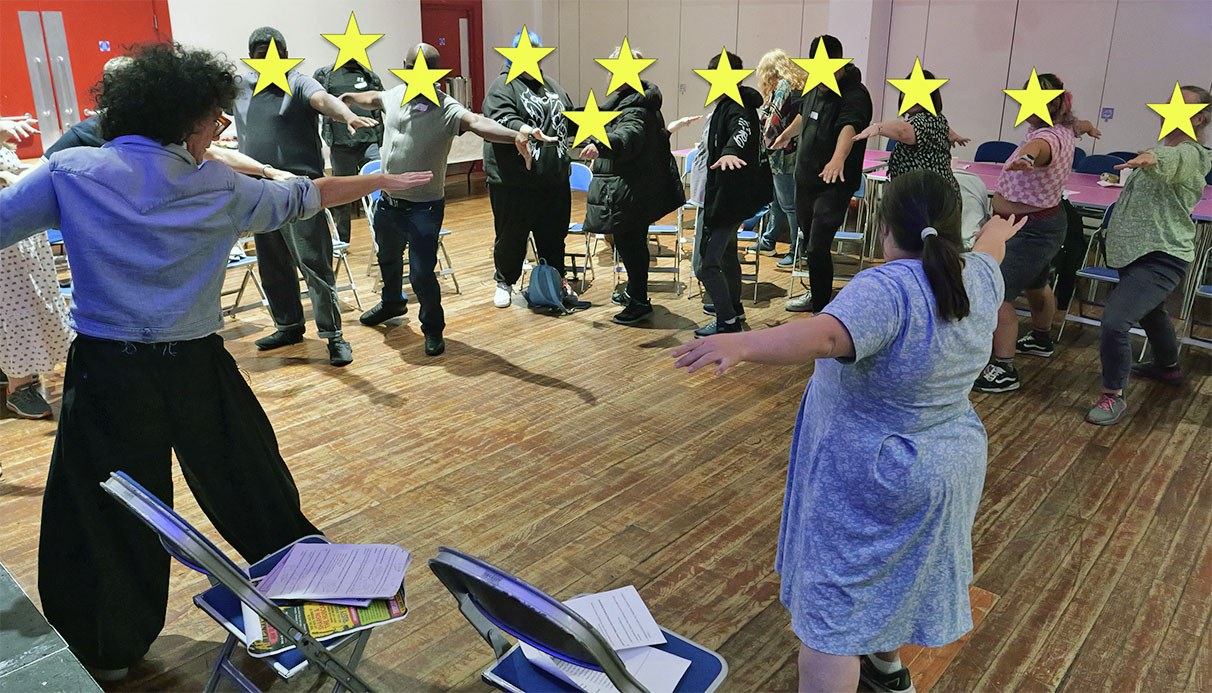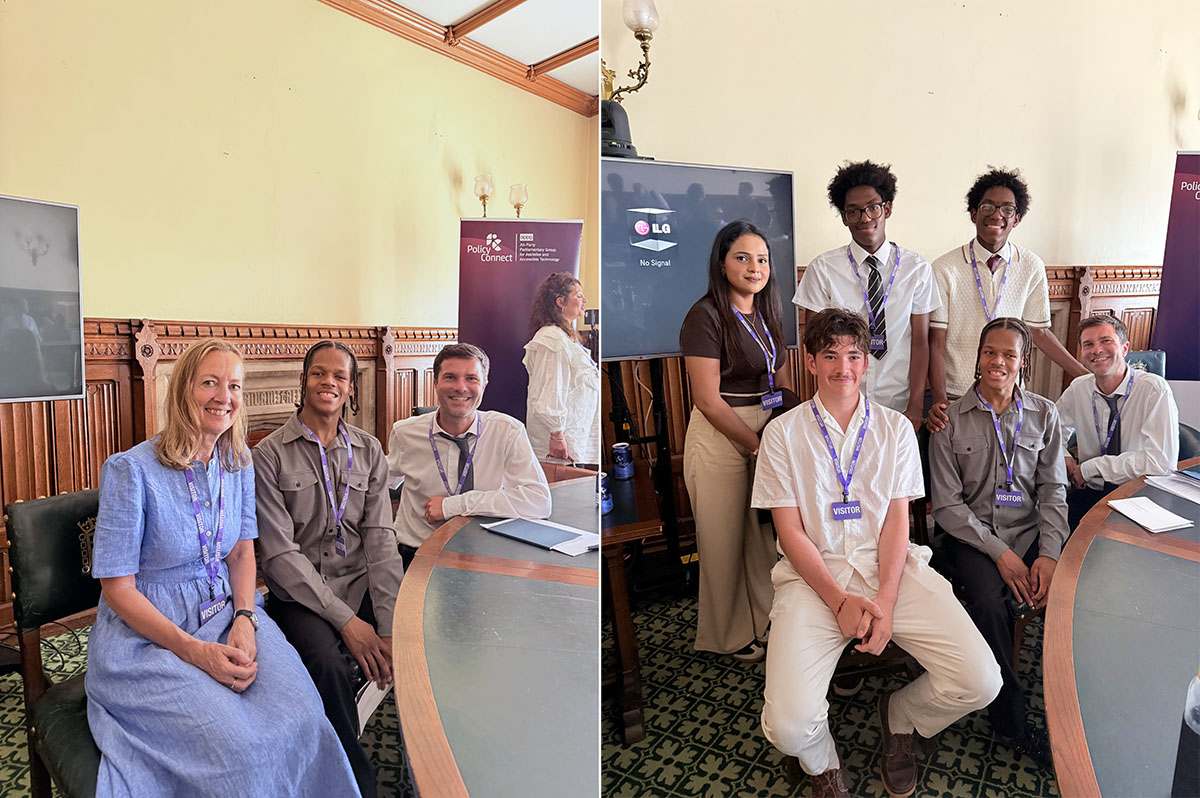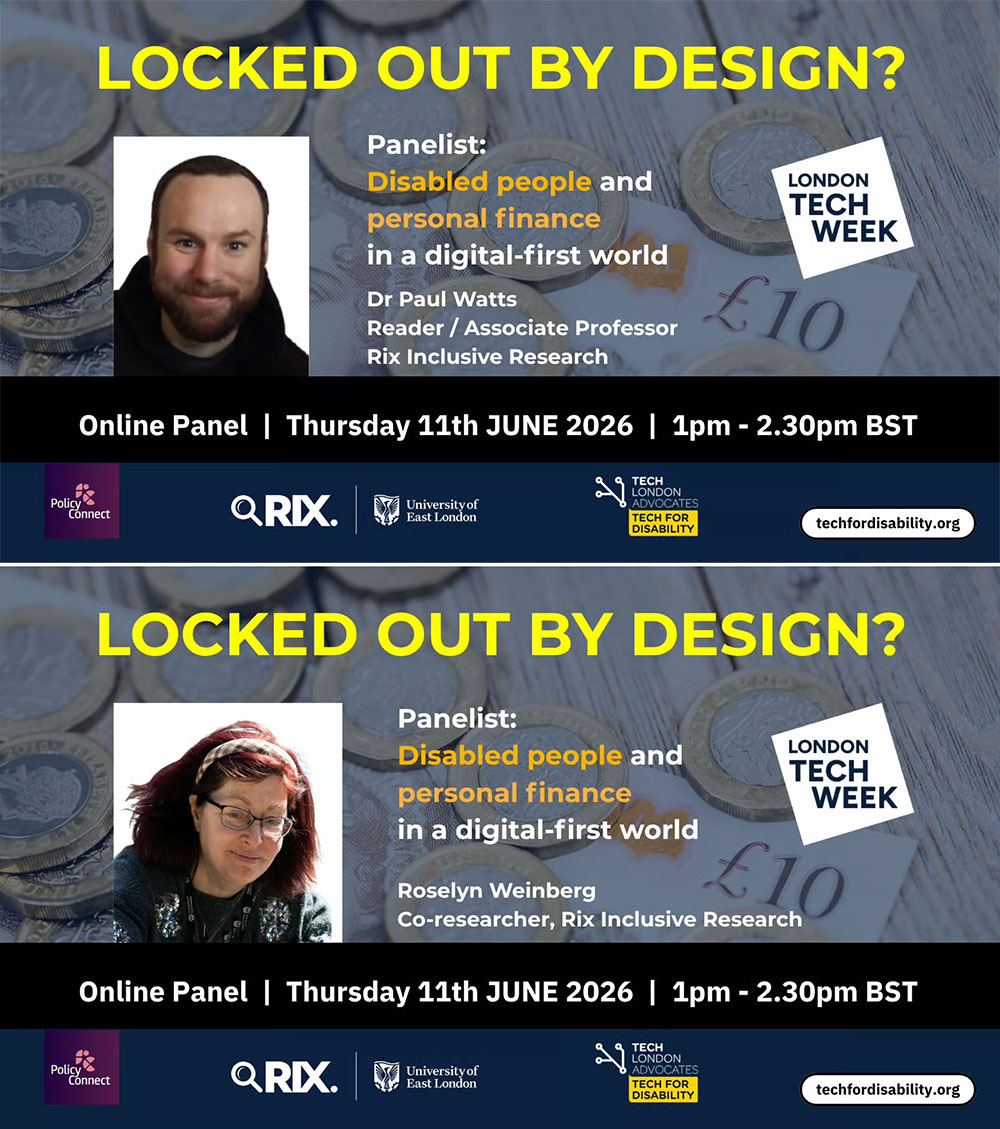
We are proud to be hosting a London Tech Week Fringe Event in partnership with Tech For Disability va Policy Connect.

Locked Out by Design: Financial Systems and the People They Were Never Built For

As the UK continues to move towards a more digital and cashless society, it is vital that financial systems work for everyone. Yet many disabled people continue to face barriers when accessing and using financial services, from digital platforms and identity verification processes to customer support and everyday banking.

At RIX, we believe that people with lived experience should be at the heart of designing the services, technologies, and policies that affect their lives. Inclusive innovation happens when diverse voices are listened to, valued, and meaningfully involved in shaping solutions.

We are delighted that members of the RIX team will be contributing to this important discussion:

  • Paul Watts, Reader and Associate Professor at the University of East London, whose work focuses on inclusive research, participation, and social justice
  • Ros Weinberg, who will bring the invaluable perspective of lived experience, helping to highlight the real-world impact that inaccessible systems can have on people’s everyday lives
event cards for London Tech Week
Paul Watts and Ros Weinberg will be representing RIX on the online panel

Together with experts from technology, policy, research, and disability communities, the event will explore:

  • How financial systems can unintentionally exclude disabled people
  • Why lived experience is essential to designing accessible services
  • What more inclusive financial systems could look like
  • How technology, policy, and co-production can help drive meaningful change

Event details

Thursday 11 June 2026

1pm – 2:30pm

Online


Bu yerda roʻyxatdan oʻting

This year we celebrated Global Accessibility Awareness Day (GAAD) on 21 May, an important international event that encourages people to think, talk, and learn about digital accessibility and inclusion.

Celebrated annually on the third Thursday in May, GAAD brings together organisations, educators, researchers, technology developers, and communities to raise awareness about the barriers disabled people can face when using digital technologies and online spaces.

At Rix Inclusive Research, accessibility is central to everything we do. We believe that digital technologies should empower people, strengthen communication, support participation, and create opportunities rather than barriers. Global Accessibility Awareness Day gives us an opportunity to reflect on the progress that has been made, while also recognising how much more still needs to be done to ensure everyone can fully participate in digital life.

Today, technology shapes almost every aspect of our lives. We use digital systems to learn, work, communicate, access healthcare, shop, travel, and connect with others. However, many websites, apps, online forms, videos, and digital services are still not designed inclusively. For many disabled people, this can create frustration, exclusion, and inequality.

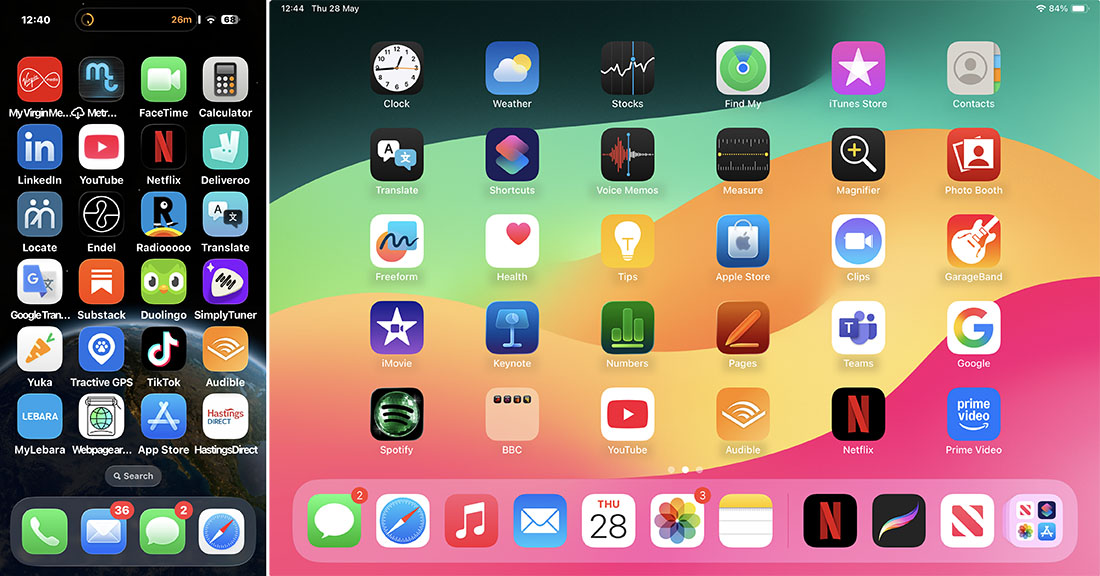
Apps on iPhone and iPad screens
Array of apps on digital devices

Accessibility means designing technology, environments, and information so that people with different needs, preferences, and ways of communicating can use them effectively. This includes people with physical disabilities, sensory impairments, learning disabilities, neurodivergence, mental health needs, and people with profound and multiple learning disabilities. Accessibility is not only about compliance or technical standards; it is about dignity, participation, independence, and human rights.

Importantly, accessible design benefits everyone. Features such as captions on videos, clear navigation, plain language, readable fonts, voice control, keyboard navigation, and alternative text for images make digital content easier for many people to use. Accessibility supports people using mobile devices, older adults, people with temporary injuries, individuals with low digital confidence, and those using technology in challenging environments. Inclusive design improves experiences for all users.

W3C Web Accessibility Initiative videos

As part of the University of East London, RIX works closely with colleagues across the university to promote inclusive and accessible approaches to teaching, learning, communication, and digital practice. UEL has developed a Digital Accessibility Toolkit that provides practical guidance and resources to help staff and students create more accessible digital content and learning environments. Initiatives such as these reflect a shared commitment to embedding accessibility into everyday practice across education and research.

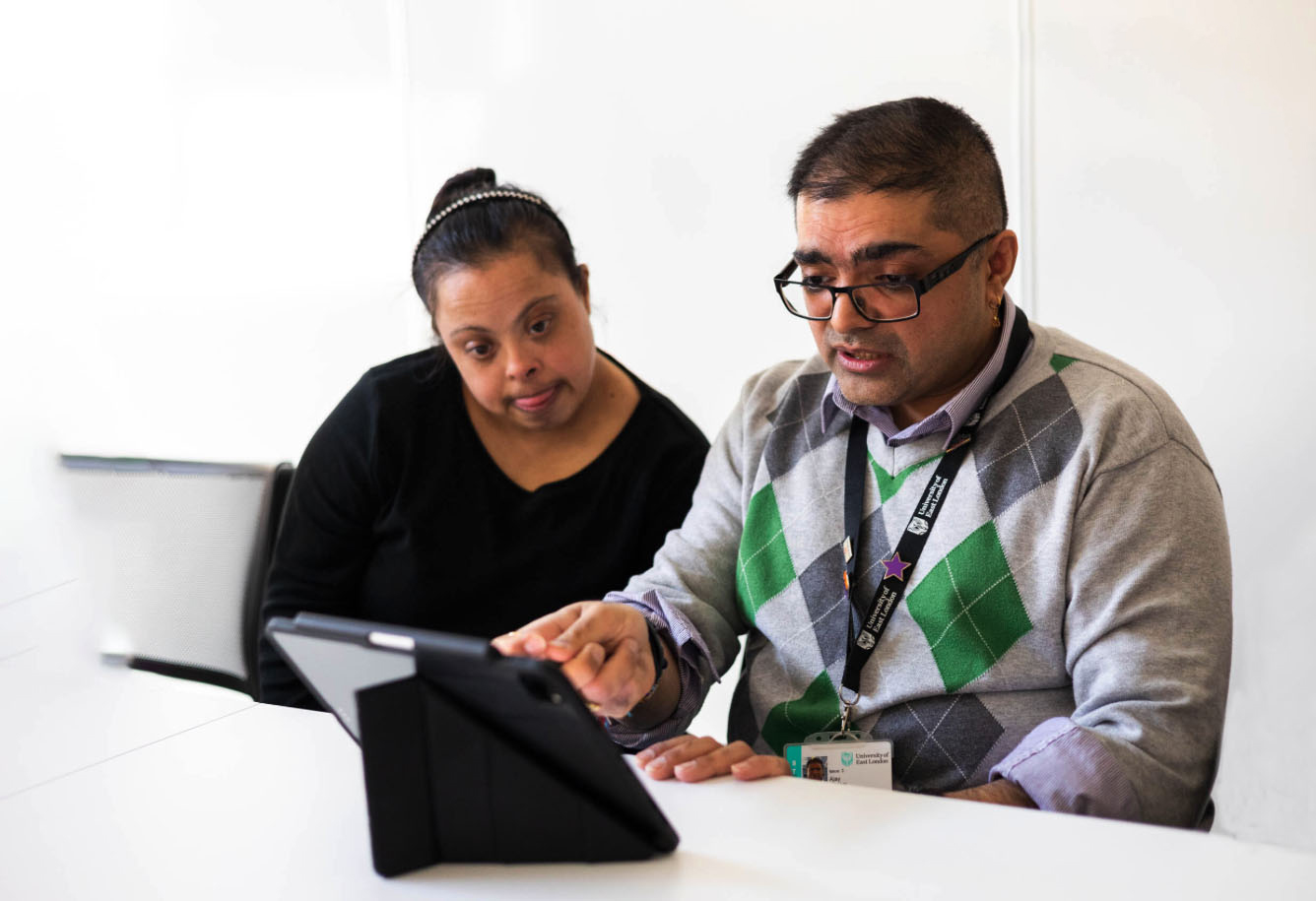
man showing digital device to woman
Everyone at RIX is committed to digital inclusion

RIX has also been proud to contribute to wider national and international accessibility initiatives through collaborative partnerships. One example is the Accessible Academy project, led by Nottingham Trent University, which focuses on improving equity, accessibility, and inclusion in education through practical resources, training, and toolkits for educators and organisations. The platform provides guidance on inclusive teaching, accessibility, and the use of technologies, including generative AI, to reduce barriers in learning environments. Projects such as Accessible Academy demonstrate the importance of universities working together to share knowledge, develop inclusive practices, and create sustainable approaches that support diverse learners across educational settings.

Accessible Academy

At RIX, our work has long focused on creating inclusive and accessible approaches that support people with disabilities to communicate, participate, and have their voices heard. Through projects involving multimedia advocacy, inclusive research, digital storytelling, co-production, and person-centred technologies, we work directly alongside people with lived experience to develop meaningful and accessible solutions.

One of the key principles of our work is that accessibility cannot be designed for people without involving them. People with lived experience must be included as co-creators, co-researchers, designers, and decision-makers. Too often, systems and technologies are created without meaningful consultation, resulting in barriers that could have been avoided. Co-production and inclusive practice are therefore essential to creating truly accessible futures.

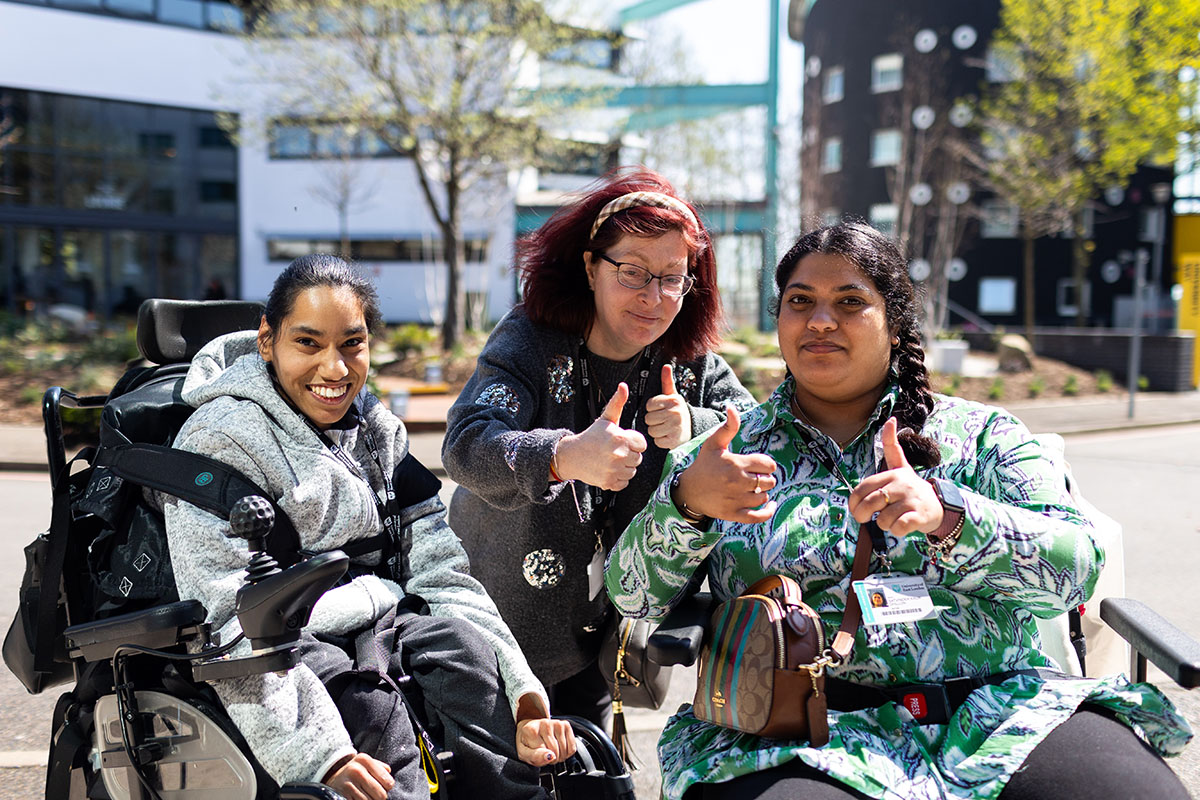
3 women on UEL campus, 2 of them in wheelchairs
RIX co-researchers Baljit, Ros and Kiran at UEL’s Docklands campus

Here are some examples of RIX projects:

We have seen how technology can support self-advocacy, improve communication, strengthen confidence, and create opportunities for participation in education, employment, research, and community life.

At the same time, we recognise that digital exclusion remains a significant issue. Many disabled people still face barriers related to:

  • affordability
  • digital skills
  • inaccessible systems
  • lack of support
  • or assumptions made about their abilities

Addressing digital exclusion requires more than simply providing devices. It requires ongoing support, accessible design, inclusive training, and a commitment to listening to people’s experiences.

screenshots of RixWiki app on iPhone
Screenshots of the RixWiki app on iPhone

Global Accessibility Awareness Day is also a reminder that accessibility is everyone’s responsibility. Small changes can make a significant difference. Writing in plain English, captioning videos, checking colour contrast, creating screen-reader-friendly documents, providing image descriptions, and ensuring websites are easy to navigate are all practical steps that help make digital spaces more inclusive.

For organisations, accessibility should not be viewed as a one-off task or checklist. It should be part of organisational culture, values, and everyday practice. Inclusive communication and accessible design need to be embedded across teaching, research, services, and technology development.

At Rix Inclusive Research, we remain committed to promoting accessibility, inclusion, and participation in all aspects of our work. We will continue working alongside people with disabilities, families, communities, and organisations to challenge barriers and develop creative, person centred, and inclusive approaches that value everyone’s voice.

Global Accessibility Awareness Day reminds us that accessibility is not simply about technology — it is about people, equality, and creating a world where everyone can participate fully and meaningfully.

Gosia Kwiatkowska, RIX direktori

Storysharing® is a unique programme that supports people with severe communication disabilities to remember and share small stories of events in their daily lives.

In 2025, this was one of two projects selected for an Impact Launchpad pilot in care homes in East London, jointly funded by London Social Ventures va Care City. This was an exciting opportunity to try the programme out in the new setting of elder care, including individuals with dementia – as well as the more familiar setting of a learning disability day care service. I had great support from the LSV/CC team.

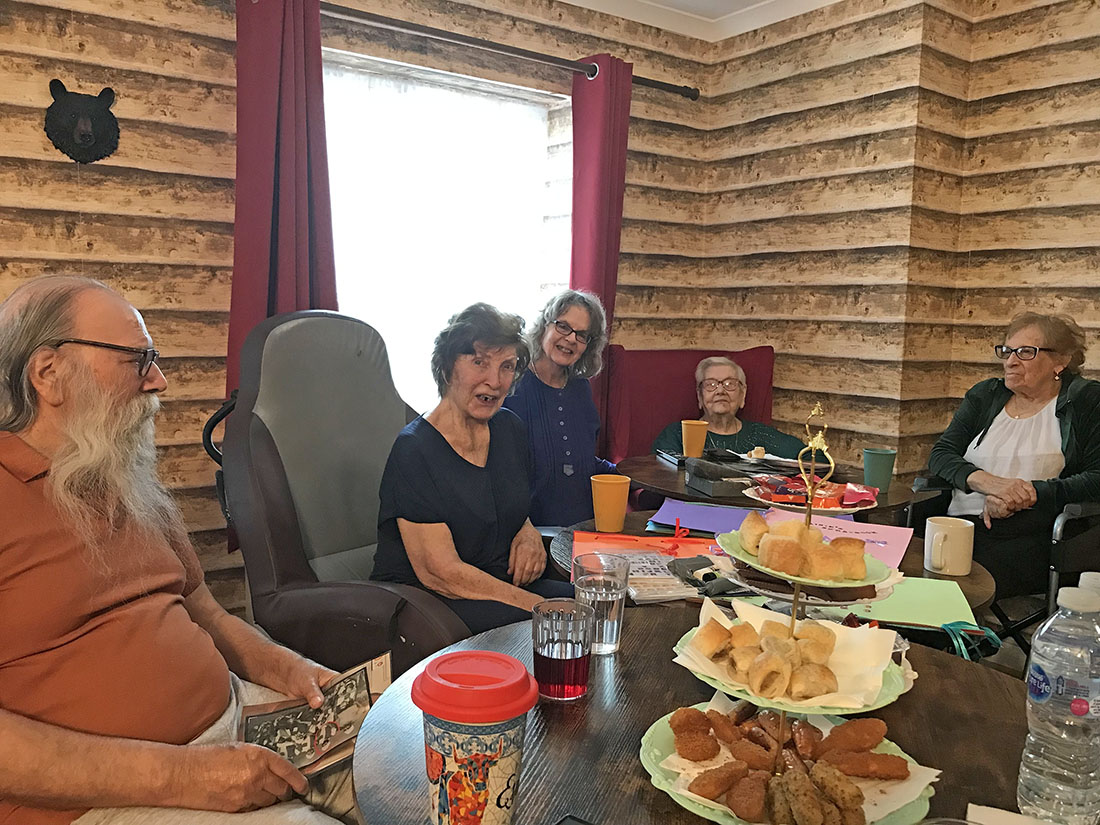
people at tea party
Storysharing tea party at care home

What were the outcomes?

The Impact Launchpad pilot tested Storysharing across three care settings between November 2025 and March 2026. The findings were clear: Storysharing creates real value for residents, staff and the wider atmosphere of care settings. It helped residents express identity and preferences, strengthened relationships between residents and staff, and gave staff richer ways to understand the people they care for.

One resident said “we’ve got to hear each other’s stories; it’s been an eye opener”. These residents went on to share their stories outside the sessions with others, creating an enthusiasm for exchanging anecdotes.

For those with dementia, it was evident that small stories from family history had the potential to evoke well established memories, particularly when associated with catchphrases. Family members spoke of how telling these stories animated their relatives and brought them out of themselves.

We also saw how great people were at supporting those who communicated nonverbally – one young woman at the day centre was particularly good at this, especially using a Big Mac communication aid.

What’s happening next?

We are delighted to say that RIX is partnering with City Care to develop proposals for taking Storysharing® forward:

  • Developing a model of readiness that identifies what stage homes are at in their development of a culture of shared conversational stories, and what support they need to go further
  • A toolkit of resources ready made for homes to use immediately
  • A new level of Storysharing® light training that sits between our current Foundation level (information) and Licensed Practitioner level (in-depth knowledge and experience)
  • An app to support the gathering, recording and sharing of small stories for families, carers and associated professionals

Watch this space for updates on this partnership.

We are grateful to participants, staff and families who helped us in the pilot study, and to LSV and City Care for the opportunity they provided. Special thanks to Anjali Moorthy for her support.

Nicola Grove, Professor for Profound & Multiple Disabilities

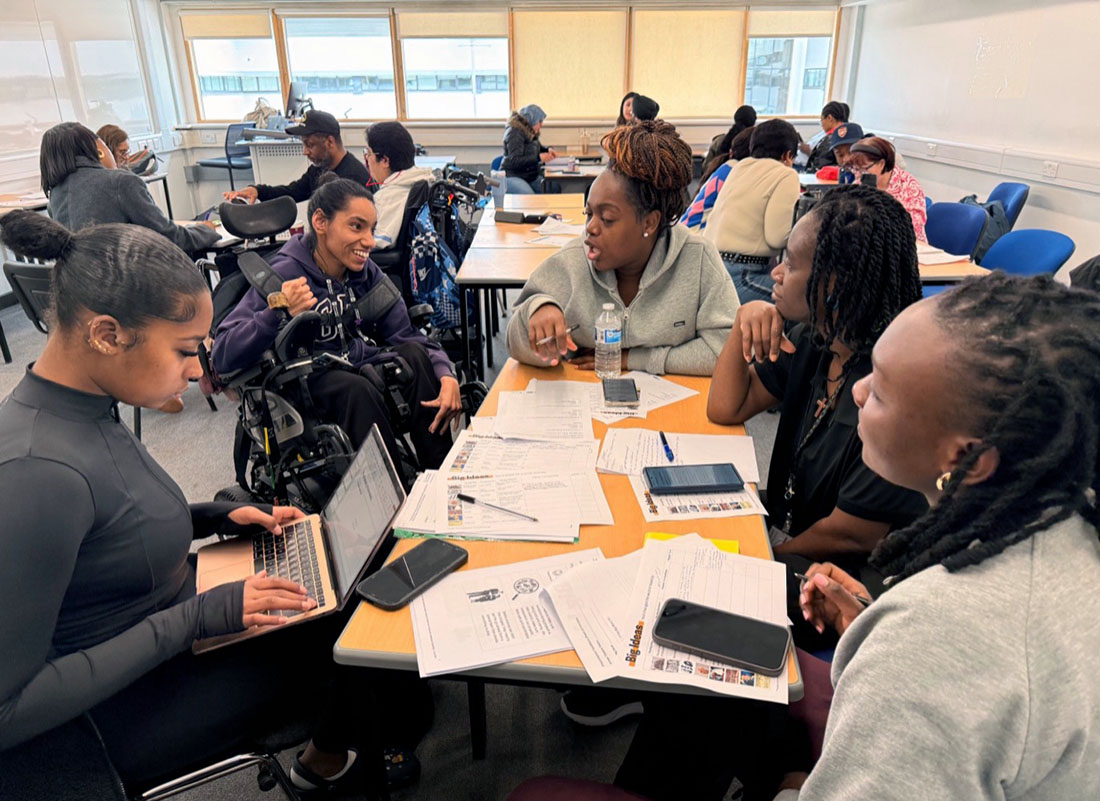
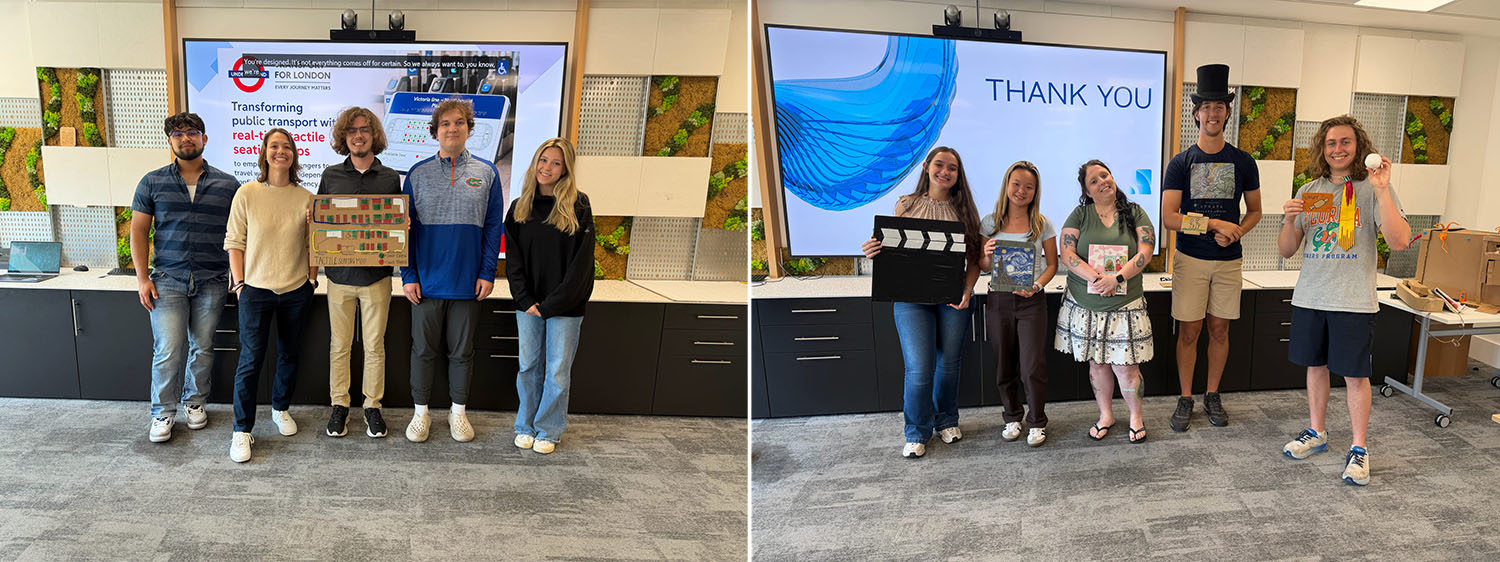
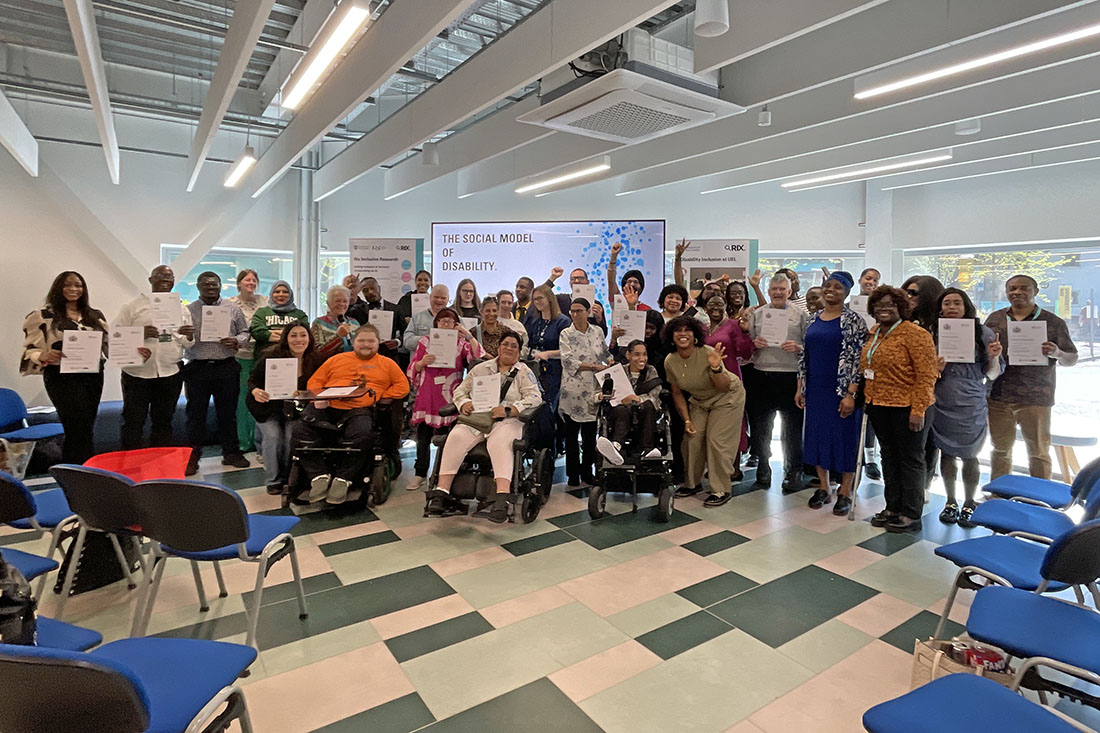
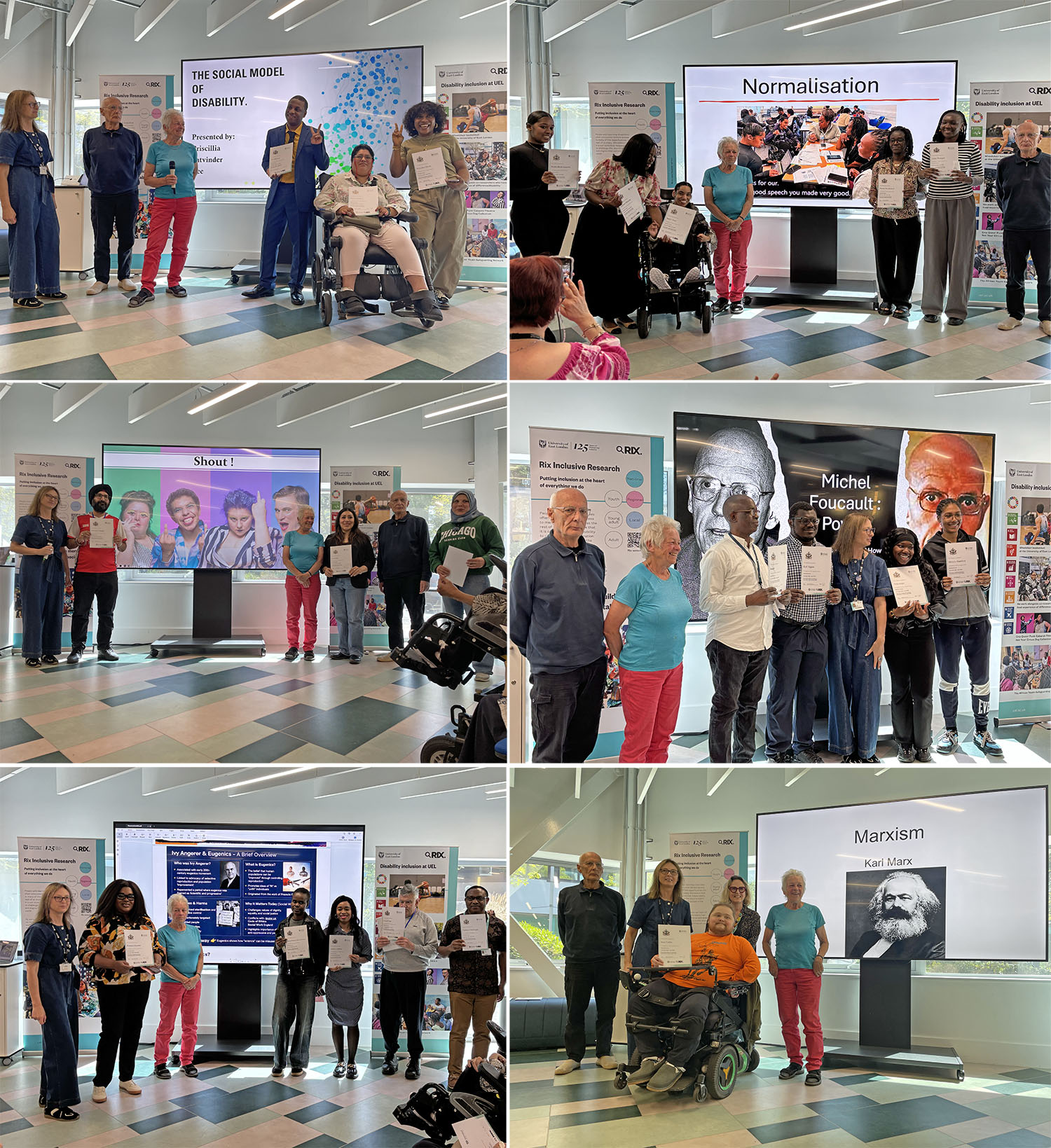
Social work students and people with learning disabilities came together on Monday to celebrate the completion of the RIX Big Ideas course, marking the occasion with an inclusive and inspiring graduation event.

Held at the University of East London, the event brought together graduates alongside family members, friends, and supporters. The atmosphere was warm, reflective, and celebratory capturing the essence of a course that is built on partnership, shared learning, and mutual respect.

large group of participants
Big Ideas students with learning partners

A central feature of the event was the opportunity for participants to present their learning. Working in mixed groups, students and people with learning disabilities shared some of the key ideas that had stood out to them throughout the course. These presentations were diverse in style and approach, reflecting the inclusive ethos of the programme. Some groups chose to focus on discussion and dialogue, while others used storytelling, visuals, and creative methods to communicate their thinking.

Rather than simply recalling information, participants demonstrated how they had engaged with complex ideas and connected them to real-life experiences. The presentations highlighted not only what had been learned, but how it had been understood, interpreted, and made meaningful by each group.

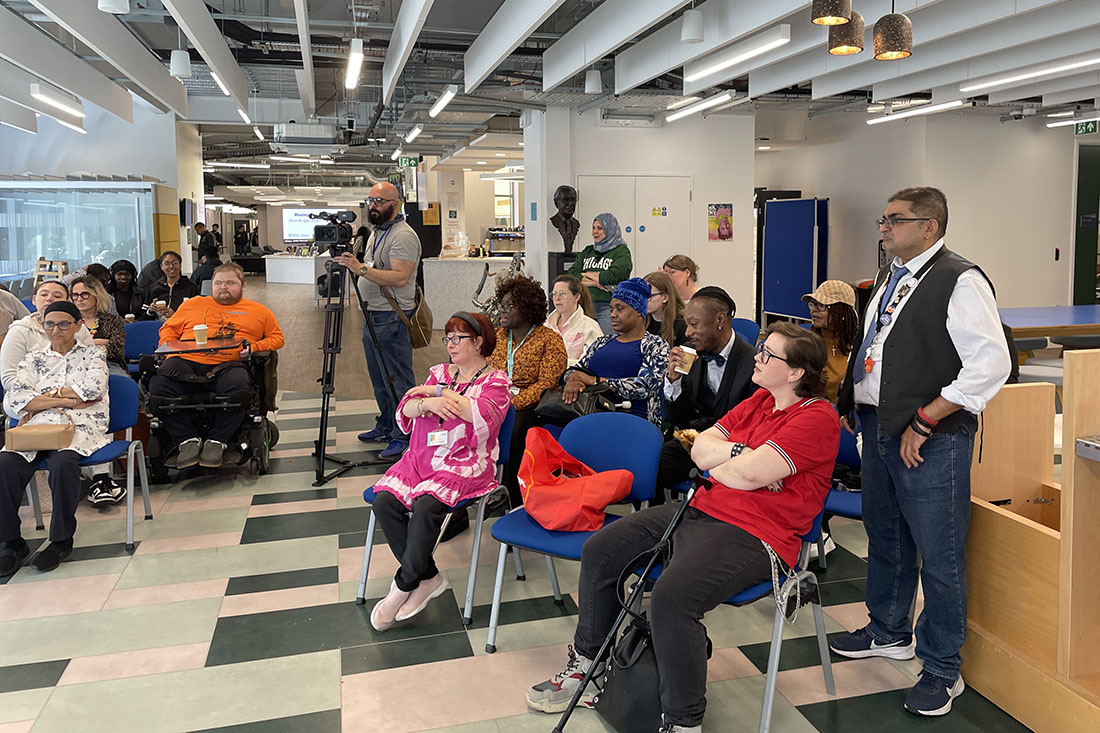
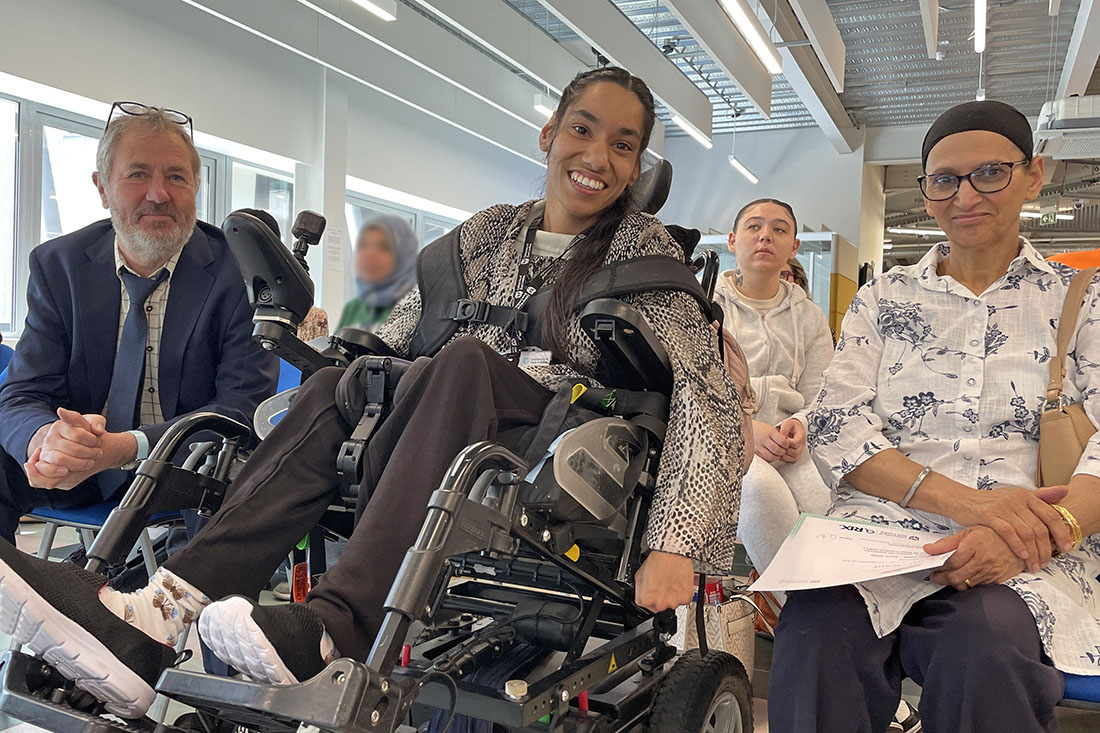
people at meeting listening
A captive audience of learners

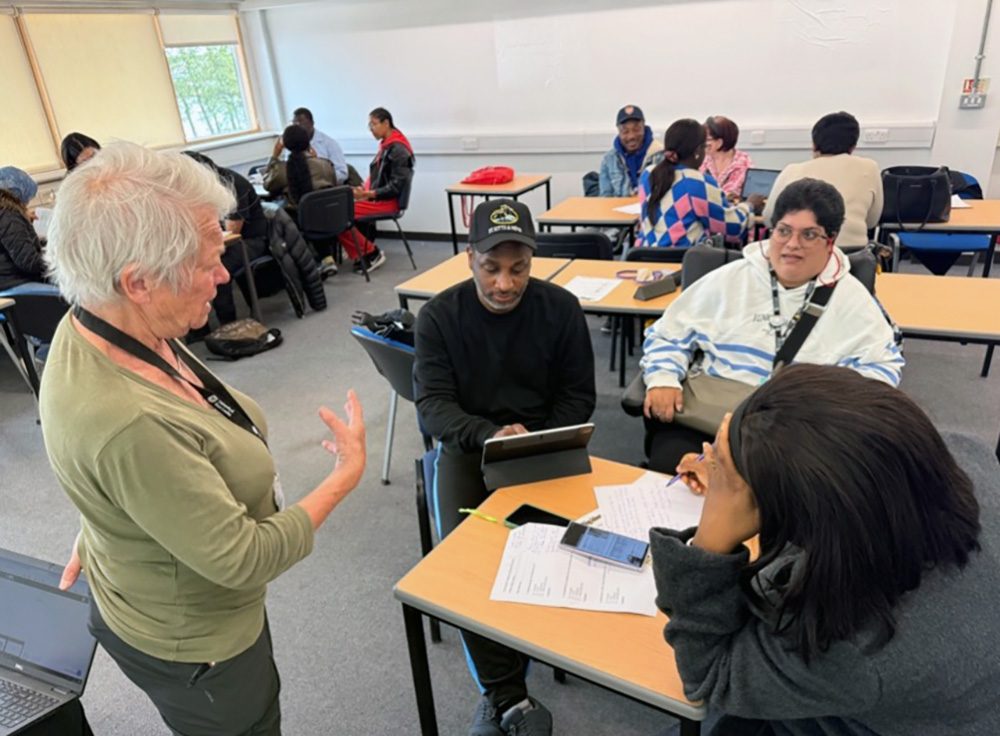
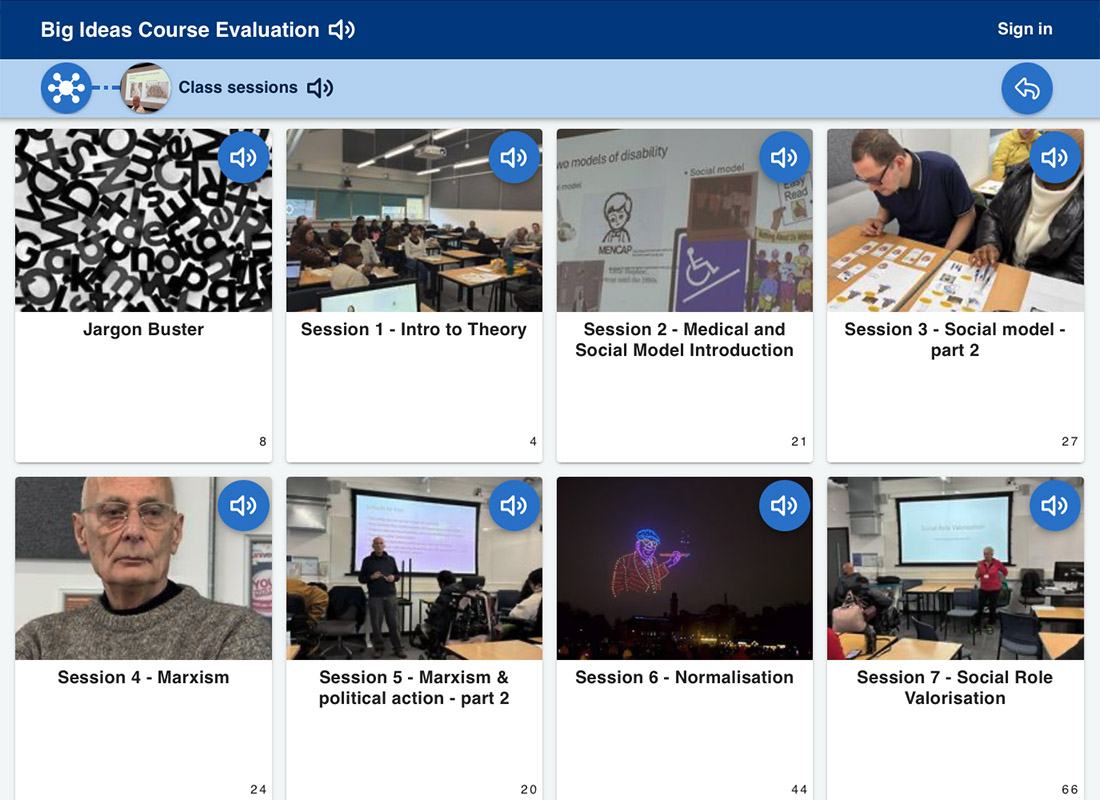
The Big Ideas course is designed to challenge traditional models of teaching and learning. It brings together social work students and people with learning disabilities in a shared space where everyone contributes equally. Participants explore major social, philosophical, and ethical ideas, but always in ways that are accessible, relevant, and grounded in lived experience.

This approach was clearly visible during the graduation event. There was a strong sense that learning had been co-produced, rather than delivered. Students spoke about gaining new perspectives, while people with learning disabilities shared their insights and interpretations with confidence and clarity. The boundaries between teacher va learner became less defined, replaced by a more collaborative and respectful way of working together.

groups of people with certificates
Some of the Big Ideas graduates – there were 29 in total

For many attendees, the event was also an important moment of recognition. Family members and supporters had the opportunity to see the work that participants had been involved in and to celebrate their achievements. The pride in the room was evident not only in completing the course, but in the personal growth, confidence, and relationships that had developed along the way.

The graduation also highlighted the broader impact of inclusive education. By creating spaces where people with learning disabilities are actively involved in exploring and shaping knowledge, programmes like Big Ideas contribute to a shift in how learning is understood and delivered. They demonstrate that complex ideas are not the preserve of traditional academic spaces, but can and should be accessible to everyone.

people in meeting
At the Big Ideas graduation in the Royal Docks Centre for Sustainability

Importantly, the course supports the development of skills that go beyond the classroom. Participants build confidence in expressing their views, engaging in discussion, and working collaboratively with others. For social work students in particular, this experience provides valuable insight into person-centred and inclusive practice principles that are central to their future professional roles.

The event marked both an ending and a beginning. While it celebrated the completion of the course, it also reinforced the importance of continuing these conversations and approaches in wider educational and professional contexts.

The Big Ideas course is part of RIX’s ongoing commitment to inclusive research and teaching, ensuring that people with learning disabilities are not only included in education, but are active contributors to it.

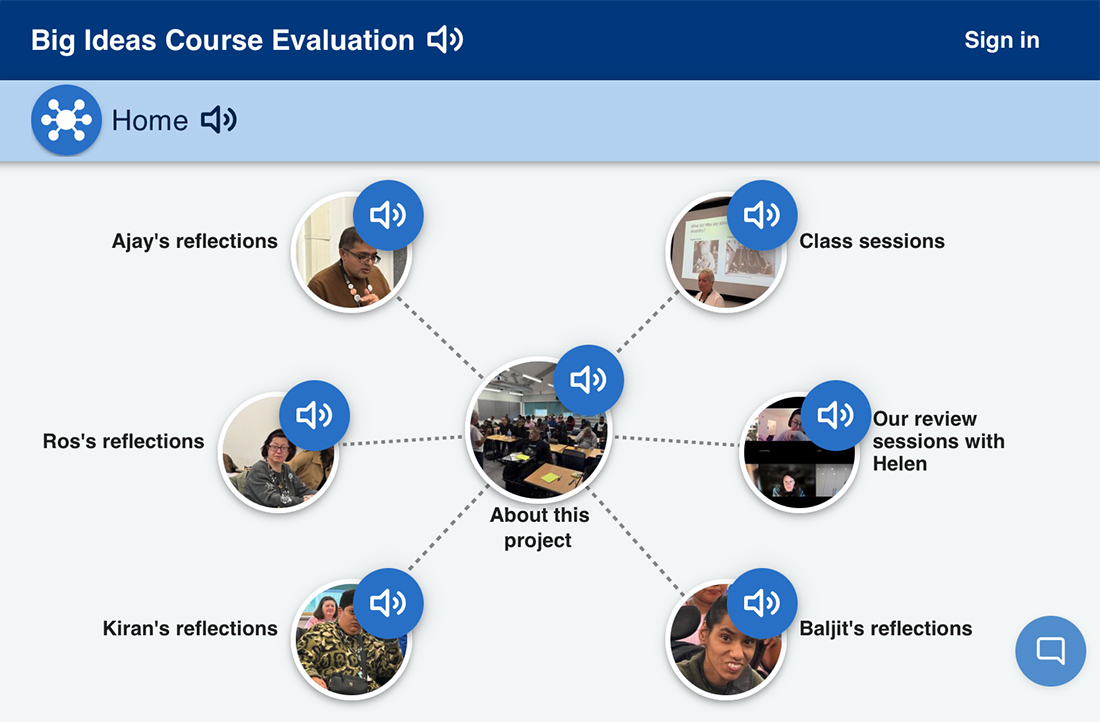
For those interested in learning more about the course and its innovative approach, further details can be found in the article below.

Read about Big Ideas in Learning Disability Today

The Newham Citizen Science Fair (NCSF) 2026 was a busy, friendly and dynamic community event where people of all ages and abilities came together to learn, explore new ideas and participate in hands-on activities.

Now in its third year, this was the first time the NCSF was hosted at the Royal Docks Centre for Sustainability (RDCS), adding an exciting new dimension to the fair.

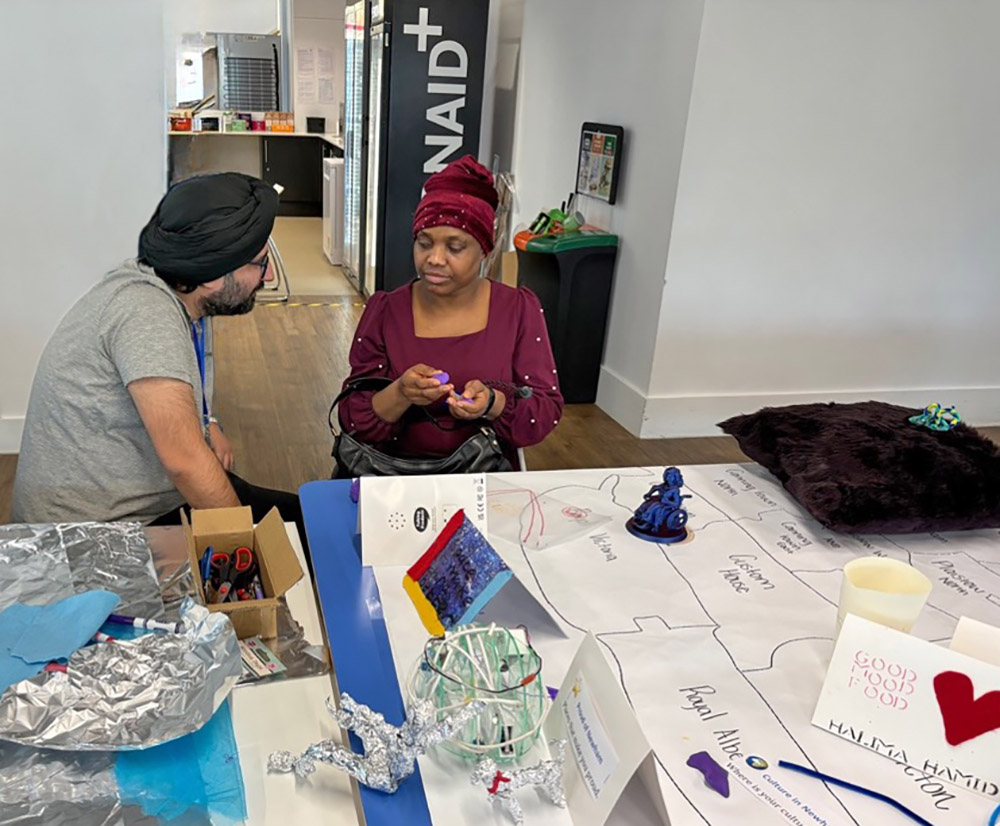
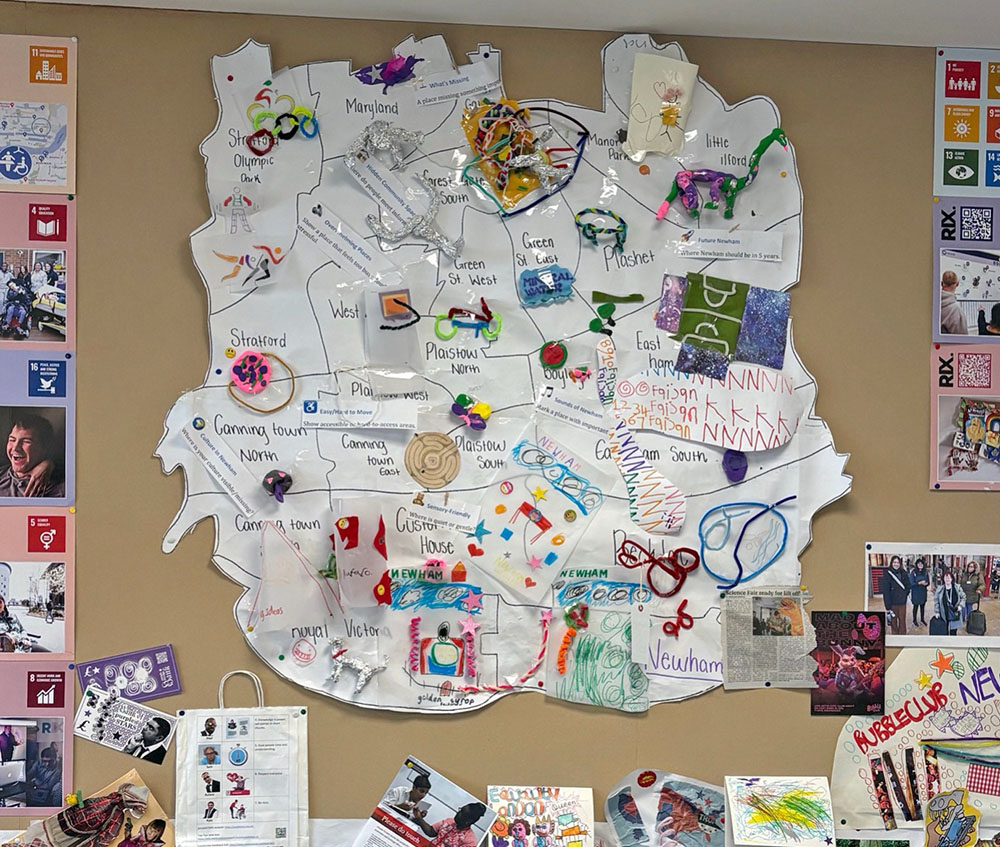
Members of purpleSTARS, RIX co-researchers and social work students hosted an exhibit inviting visitors to share their lived experiences by contributing to a multi-sensory collage map of Newham. Through creative sensory artworks and personal reflections, the exhibit brought together diverse perspectives and highlighted the real-life challenges, strengths and stories of Newham’s communities.

people at workshop
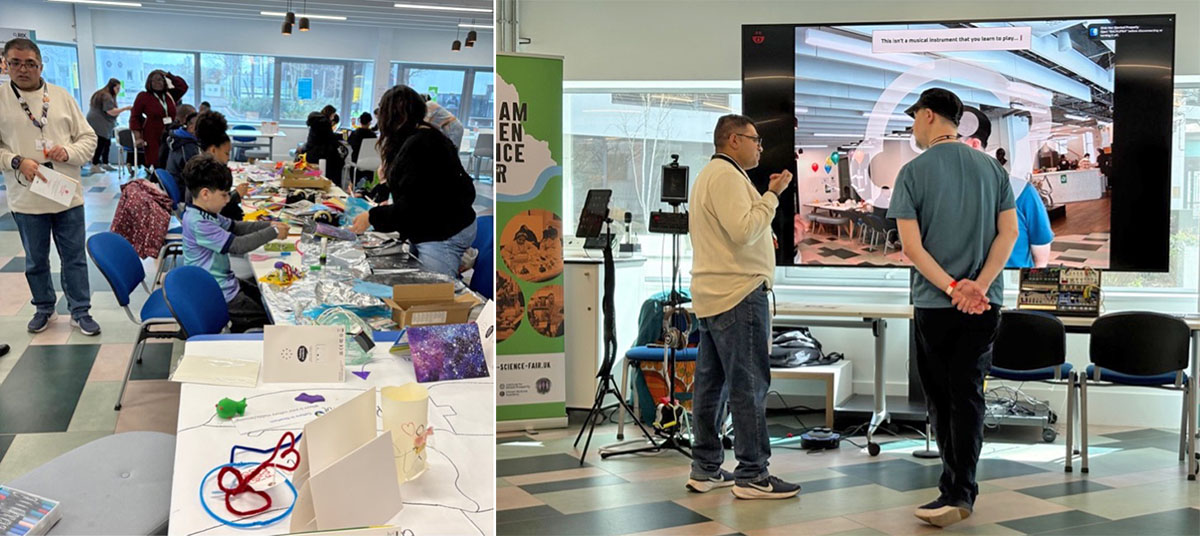
Ajay at the event and checking out PhotoSYNTH with Zen

Lots to see and do

There were many different stalls and activities. People explored new technology, science projects and fun hands-on demonstrations. Ajay said:

I enjoyed the Newham Citizen Science Fair. It was very exciting. I saw different sections like Smile Powered Music with the PhotoSYNTH, the Newham Community Research Network and the UCL Citizen Science Academy. I also liked the Newham mind-mapping—it reminded me of growing up in old school, secondary school and sixth form. It was a very busy day and a lot of fun!

A fun and inclusive community event

Visitors said the event felt welcoming for everyone. Mary-Ann said:

It was a lovely, fun and engaging community event with lots to do for different ages and abilities. It was thought-provoking and there was lots to learn in a fun and interactive way.

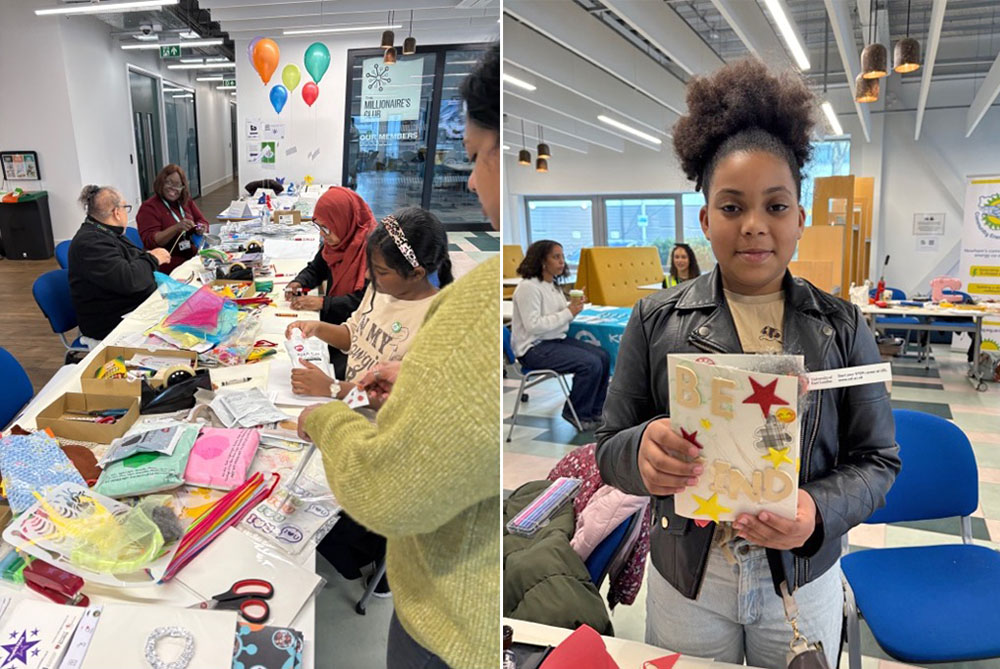
Samantha and Renee-Deborah with visitors and tactile sound ‘Be Kind’ card created by visitor to the fair

Inspiring technology for accessibility

Many people were impressed by how technology is being designed to support people with learning and physical disabilities. Tofunmi said:

The fair was eye-opening and inspiring. I saw amazing projects showing how technology can be customised for people with disabilities. It reminded me how important it is to make new technology accessible for everyone. I loved seeing researchers, developers and community members working together. It deepened my understanding of what accessible technology can do, and why inclusive voices matter.

Gavin Sealy highlighted the need for us to approach Artificial Intelligence, AI, as a conversational tool that will strengthen our ability to think clearly as individuals and to think well together as communities. He argued AI is not about replacing people with machines but about highlighting the value of people in the age of the machine.

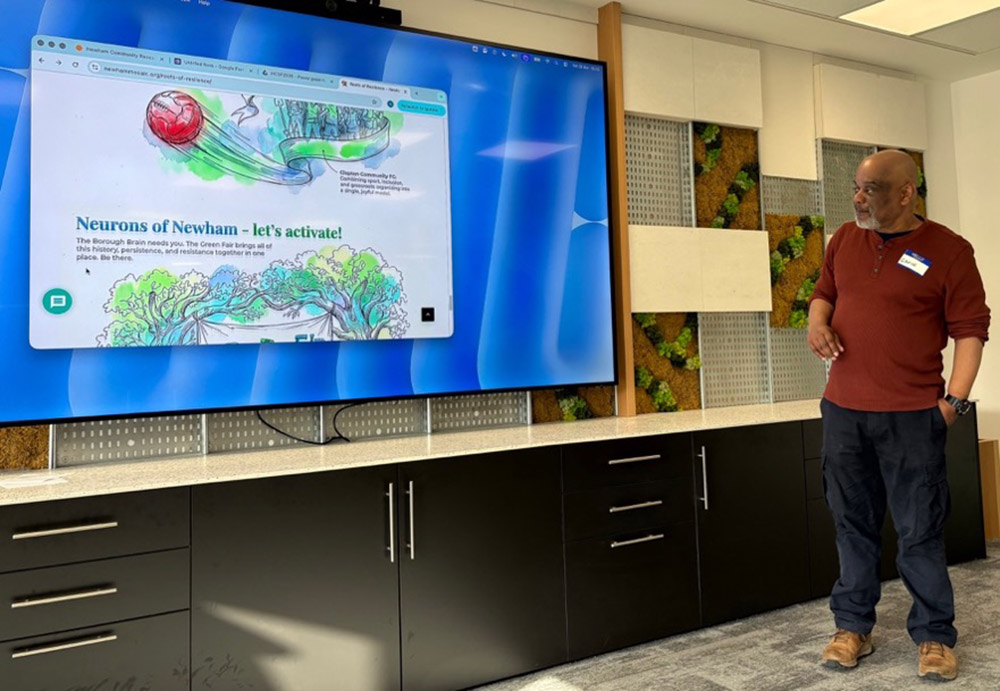
man in front of screen
Gavin Sealy’s presentation

Working together and sharing ideas

The fair created opportunities for collaboration, conversation and co-production. Nic said:

It was a positive experience participating in the Newham Citizen Science Fair. I met a wide range of people and explored many different projects. The event felt open and collaborative, with informal conversations and hands-on activities helping people learn together. I especially enjoyed projects like the LEGO Mindstorms (which I spent ages playing with!) and the musical instruments created by Zen. These showed the creativity and technical skill in the community and highlighted how citizen-led innovation can bring people together.

Building skills and confidence

The fair was also a great place for students and young people to practise communication skills. Ifeoma said:

The fair was informative and insightful. I got to put my signing skills into practice while talking with others. It helped build my confidence in communication. It was a positive opportunity to participate and contribute. I enjoyed seeing local residents sharing high-quality research that supports our borough. I used my Makaton skills when talking with children who are D/Deaf or hard of hearing. It was a rewarding day that showed the power of inclusive community research.

man talking to woman
Ifeoma with purpleSTARS member Jas

A successful day for Newham

The Newham Citizen Science Fair 2026 showed how powerful community-led research can be.
People shared ideas, learned from each other and explored new ways to make Newham a fairer and more inclusive place.

sensory mind map of Newham
Inclusive creative sensory mind map of Newham co-created by visitors to the Newham Citizen Science Fair – now on display in the RIX office

Rix Inclusive Research at UEL is proud to support events like this, where everyone’s voice matters and everyone can take part.

Are you passionate about community engagement, inclusion and research with young people with Special Educational Needs and Disabilities (SEND)?

We’re looking for a Young People with SEND NCRN Coordinator to set up and lead an inspiring Community Research Network. This network will support young people to become paid citizen social scientists. These young people will shape research on the issues that matter to them.

This is a great opportunity to combine youth work, inclusive research, and social impact and will help communities who are often left out influence change.

This job is based at The 5Es va The RIX Centre.

Find out more about this great opportunity by checking out the easy read overview and Job Description below.

NCRN Coordinator easy read overview

NCRN Coordinator Job Description

At RIX, our work is rooted in collaboration, co-production, and learning across borders. Recent international activities across Egypt, Saudi Arabia, and Uzbekistan have provided powerful opportunities to share our approach to inclusive research and practice, while also learning from colleagues, students, and leaders who are equally committed to creating more accessible and inclusive societies. These experiences remind us that inclusion is a global conversation — and one that grows stronger through shared experiences, partnerships, and mutual learning.

Egypt: Inclusion, Learning and Cultural Exchange

Our visit to Egypt centred around participation in an international summit and the Tamkin 2026 programme, both focused on advancing inclusive education and opportunities for students with disabilities.

Two students travelled with me as part of the RIX delegation. Their presence was essential. Inclusion is not something we talk about for students — it is something we build with them.

International Summit: Conversations on Inclusive Universities

At the summit, I presented to an audience that included the Minister of Higher Education, university leaders, professors, and practitioners. The focus of our contribution was clear: how we can work together to make universities more inclusive, accessible, and responsive to diverse learners.

different groups at conference
International Summit delegates in Egypt

We shared RIX approaches to:

  • Co-production with people with lived experience
  • Multimedia advocacy and digital inclusion
  • Universal Design for Learning (UDL)
  • Creating inclusive learning environments across teaching, research, and student life

The discussion highlighted a shared commitment across countries to move beyond policy statements and into practical implementation — designing systems, spaces, and cultures where all students can participate and flourish.

Student Participation and Global Connections

The two students who travelled with us participated fully in the conference and in the Tamkin 2026 programme. They met students from other universities, exchanged ideas, and experienced international collaboration first-hand.

This experience strengthened their confidence, networks, and sense of belonging within a global community working toward inclusion. It also demonstrated the importance of creating opportunities for students to participate in international spaces as active contributors, not just observers.

people with cat and woman making bread
Loving the cat and baking the bread

Experiencing Egypt Together

Alongside the academic programme, we shared cultural experiences that deepened our understanding of Egypt’s history and richness. Together with the students, we visited some of Luxor’s most iconic sites:

  • The Valley of the Kings
  • Luxor Temple
  • A sunrise hot air balloon trip over the Nile and ancient monuments

These shared moments created space for reflection, connection, and joy — reminding us that international collaboration is also about building relationships and shared memories.

four women in a hot air balloon
In a hot air balloon
local sights in Egypt
Flavia and Teddy seeing the sights

Saudi Arabia: Learning Through Dialogue and Experience

The visit to Saudi Arabia offered another valuable opportunity for professional exchange and cultural learning. Meetings and conversations focused on inclusive practice in education and the role of universities in creating accessible environments for all learners.

I also had the opportunity to learn from colleagues and experience local traditions and hospitality. One memorable experience was visiting a traditional restaurant where we sat on the floor and shared food together. This offered a meaningful insight into cultural practices and the importance of respect, openness, and curiosity when building international partnerships.

door handle, woman and group of people
Gosia out on a mission
signage and poster
Examples of signage and accessibility in Saudi Arabia

Uzbekistan: Building Capacity for Inclusive Systems

In the first two weeks of December, we were delighted to host colleagues from Uzbekistan at the RIX Centre as part of our ongoing collaboration with the National Agency for Social Protection and the International Inclusive Hub.

We welcomed leaders from the Hub and lecturers from Tashkent Pedagogical University for an intensive programme of training and exchange. The sessions focused on developing inclusive systems across education and social protection, with particular emphasis on:

  • Universal Design for Learning and inclusive curriculum design
  • Digital tools for advocacy and participation, including Rix Wiki
  • Co-production and working with people with lived experience
  • Developing inclusive research and leadership capacity
  • Practical strategies for implementation within universities and national systems

The training created a vibrant space for dialogue, reflection, and shared learning. Colleagues explored how inclusive approaches can be embedded across teaching, student support, and policy frameworks. It was inspiring to work together on practical solutions that can support students with disabilities and create more inclusive educational environments in Uzbekistan.

This partnership continues to grow and forms part of a wider programme of collaboration to strengthen inclusive vocational and higher education systems.

Google building and woman wearing eye blocks
Visit to Google Accessibility Discovery Centre
collage of team photos
Uzbek partners visit in December 2025

Looking Ahead: Continuing the Work Together

Looking ahead, we are now preparing for a two-week visit to Uzbekistan, where we will deliver an intensive programme of training for teachers, academics, and leaders from universities, further education colleges, and vocational education institutions.

The focus of this next phase will be on supporting inclusive teaching and learning across vocational qualifications and higher education. Together with our partners, we will explore practical strategies to ensure that students with disabilities can access, participate in, and succeed within vocational and academic pathways.

Alongside the training programme, we are also working collaboratively with the National Agency for Social Protection and university partners on the development of a white paper and policy recommendations for the Government of Uzbekistan. This work aims to support long-term systemic change by embedding inclusive principles within national policy, educational frameworks, and institutional practice.

Our work is grounded in partnership and mutual learning. We are not simply delivering training; we are working together — sharing knowledge, listening, testing ideas, and co-creating solutions that are meaningful within local contexts. Through this collaboration, we hope to contribute to sustainable, inclusive systems that support all learners to thrive.

group around table
Workshop at Google Accessibility Discovery Centre

Reflections: Building Inclusive Universities Together

Across Egypt, Saudi Arabia, and Uzbekistan, several shared themes have emerged:

  • Inclusion is a global priority requiring collaboration and leadership
  • Students and people with lived experience must be central partners
  • Cultural exchange strengthens professional relationships
  • Practical tools and approaches are essential to turn vision into reality
woman in wheelchair
Ensuring all students have access to education

We are proud to represent RIX internationally and to contribute to global conversations about inclusion, accessibility, and participation. Just as importantly, we return inspired by the commitment and innovation of our partners and colleagues around the world.

These collaborations remind us that meaningful change happens when we work together — across institutions, countries, and cultures — to create learning environments where everyone can belong and succeed.

Gosia Kwiatkowska
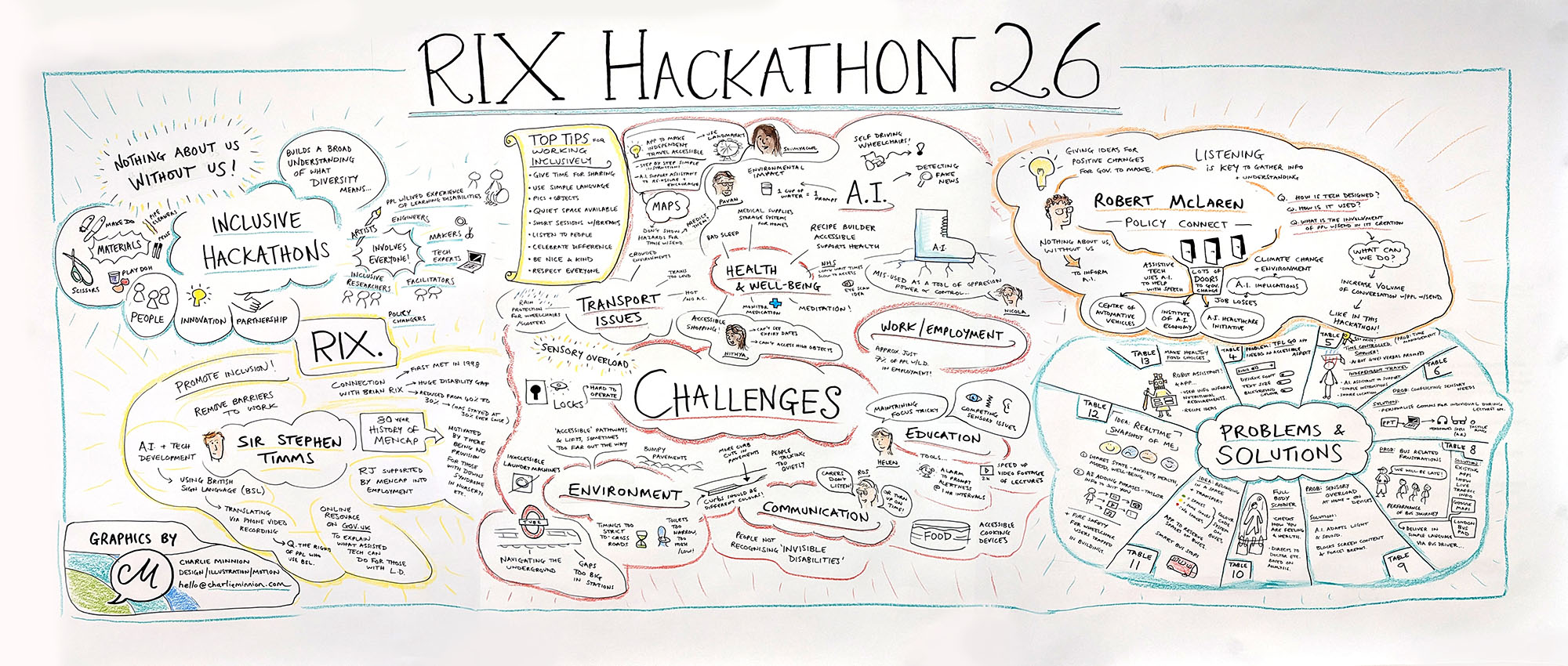
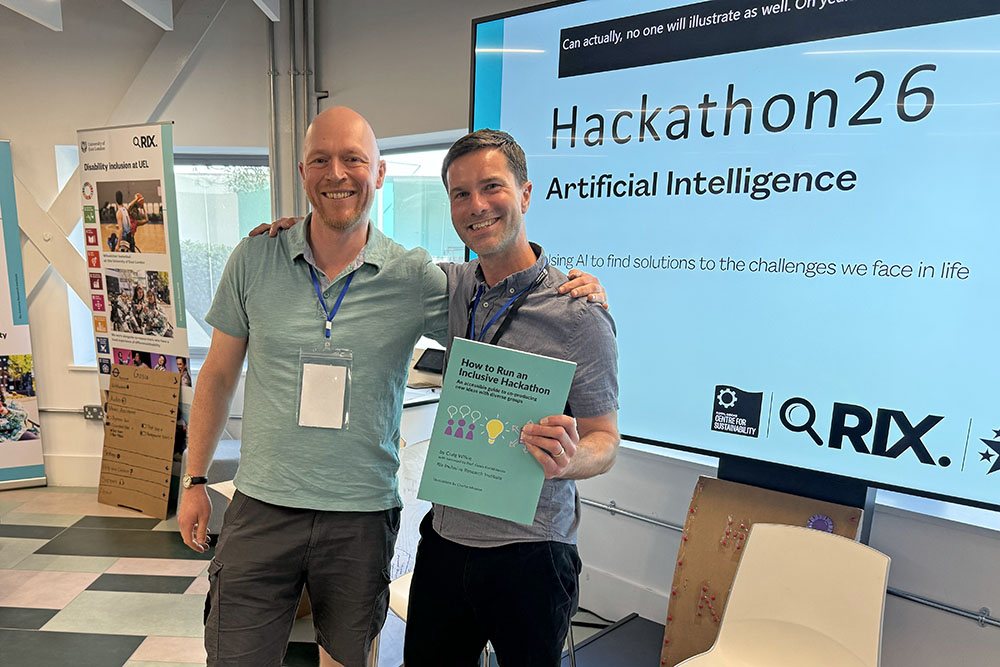
RIX Hackathon26 | Friday 19 June | 10am – 5pm

We’re excited to share this Save the date with you, with details of our third annual inclusive hackathon.

Our theme for this year will be Artificial Intelligence and accessibility.

Date
Friday 19 June 2026

Time
10am – 5pm

Venue
Royal Docks Centre for Sustainability (RDCS)
University of East London, Docklands Campus
4-6 University Way, London, E16 2RD

Book your ticket for Hackathon26

Programme for the day

Hackathon guide for attendees


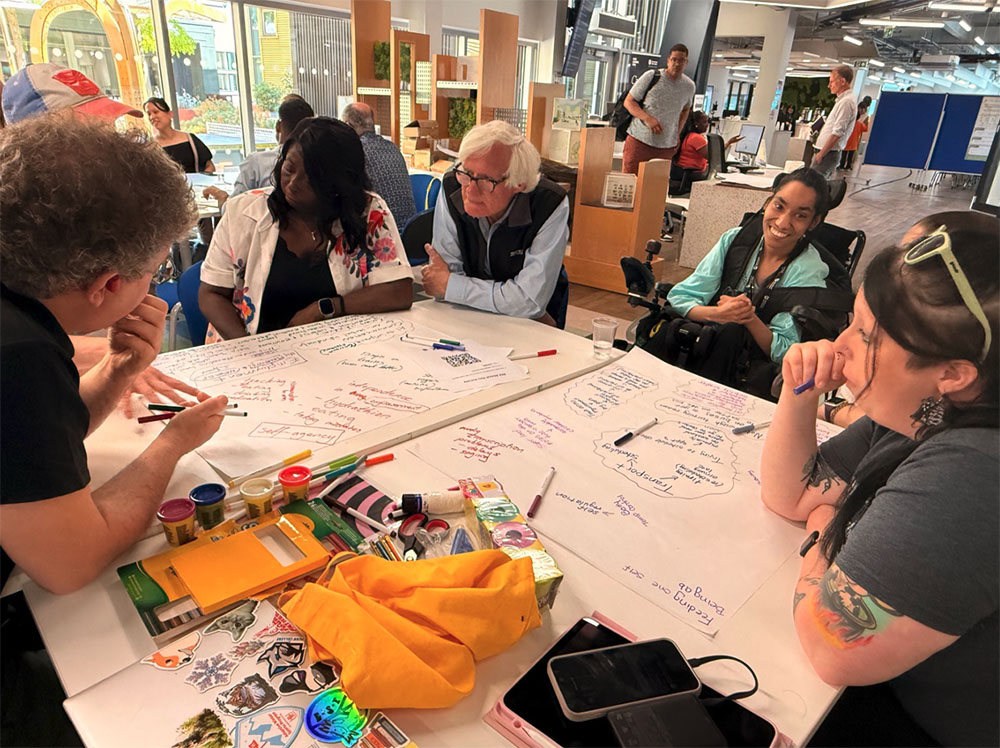
group at table
One of last year’s Hackathon25 sprint groups
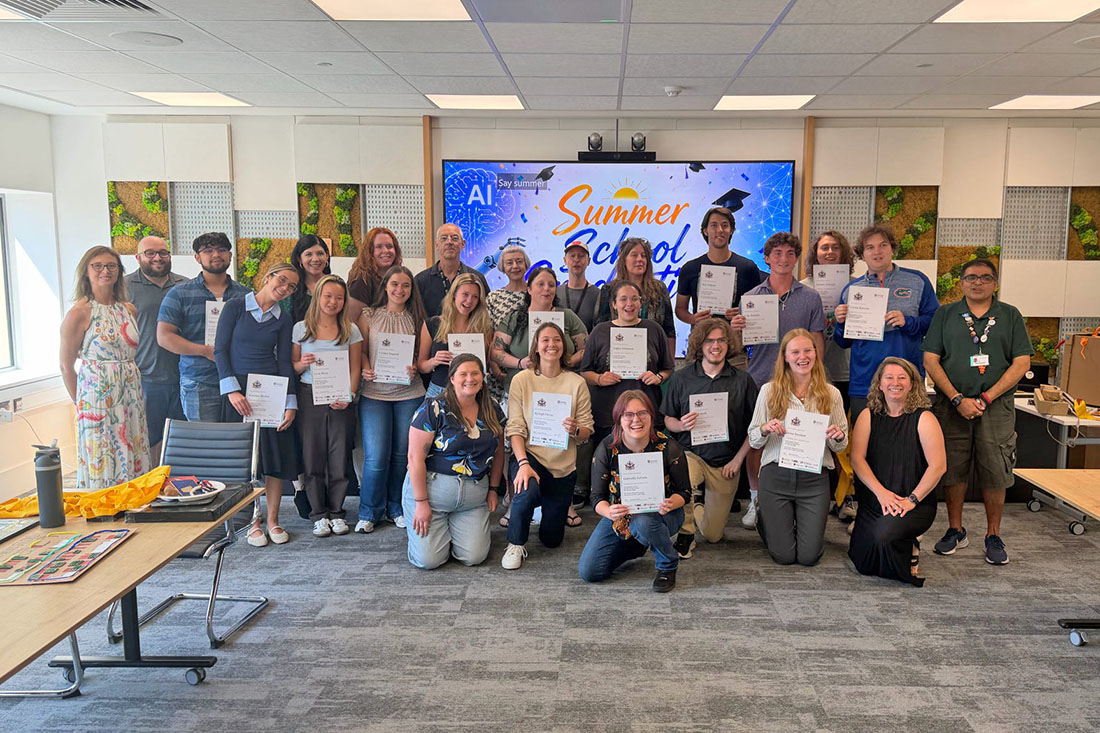
Hackathon25 certificate
Hackathon25 certificate card

You can find out more about the RIX Hackathon below.

Read about last year’s event

Watch our RIX Hackathon25 video

We look forward to seeing you in June!

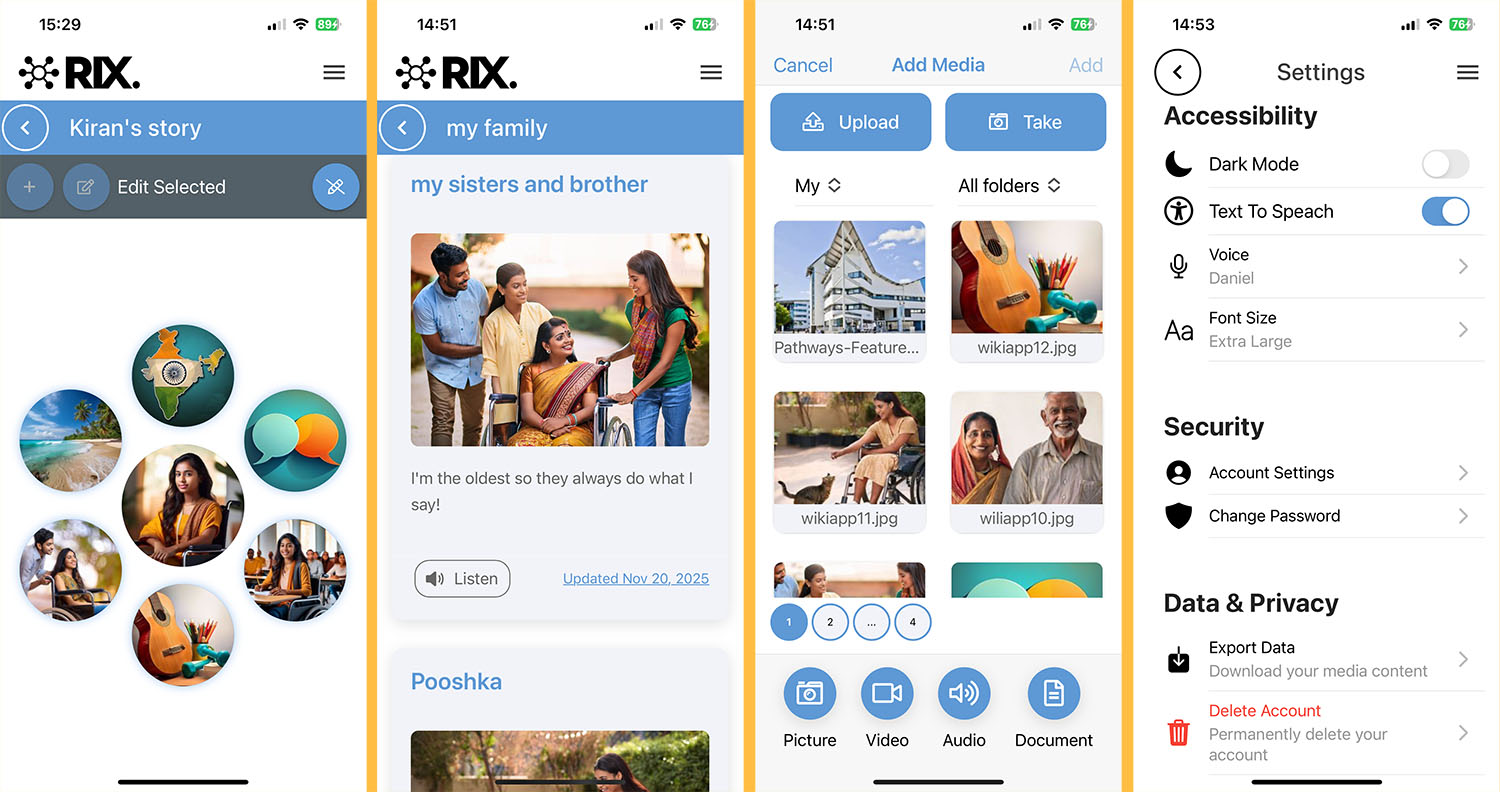
We’re excited to announce the launch of the new RixWiki app which is now available as a free download on the App Store (Apple) and Play Store (Android).

The Rix Wiki is a digital Men haqimda tool that helps people share their story and show what good support looks like using words, pictures and videos. Its accessible design makes it easy for anyone to create and update their Wiki using the mobile app.

The app was developed in partnership with Charlie Levinson from Multi Me and his software developer, Sergei Alvinski, who helped develop the Multi Me support networking platform.

The new look Wiki is now even easier to use and includes added features to give you more customisation and accessibility options.

Settings

  • Dark mode – see screenshots below
  • Text to speech – can be turned on/off in Settings
  • Voice – choose from a large selection of female and male voices
  • Font size – small, medium, large, extra large

The RixWiki app also has a built in Media gallery where you can organise your pictures, videos, sound files and documents in one place.

If you already have a RIX Wiki just download the RixWiki app to your smartphone or tablet and log in to the app with.your normal username and password.

If you are interested in having a RIX Wiki but don’t have one yet, please head over to rixsoftware.org where you can find out more.

screenshots of RixWiki app on iPhone
Screenshots of the RixWiki app on iPhone
iPad screenshots of RixWiki app
Screenshots of the RixWiki app on iPad
Screenshots from iPad in dark mode
Screenshots of the RixWiki app on iPad in dark mode
2 QR codes with logos
The RixWiki app is available for Apple and Android devices

RixWiki app Apple

RixWiki app Android

Activoté - Nyuxemdagi yoshlar bilan maslahatlashgan holda ishlab chiqilgan va yozilgan original, jismoniy, parodik, musiqiy ansambl teatri spektakli. 2025-yil 7-noyabr, juma kuni The Source, Stratford-da spektaklni ko'rib chiqish uchun pastga qarang.

Ishlab chiqarishning maqsadi yoshlarni o'z siyosiy agentligiga ishonchni qozonishga undash edi (ayniqsa, hozirda bu hukumat ovoz berish yoshini 16 ga tushirmoqchi bo'lgan juda muhim). Activoté tinglovchilarga o'z ovozlarining qiymatini his qilishlariga imkon berishni maqsad qilib qo'ygan, chunki ularning huquqlari asta-sekin real vaqtda mahrum bo'ladi.

Bu 2024-yil kuzi va 2025-yil kuzida maktablarga va Nyuxemning Yoshlar imkoniyatlarini kengaytirish zonalariga ikkita muvaffaqiyatli sayohatning yakuni boʻldi. Spektakldan soʻng biz UELdagi hamkasblar va talabalar, jumladan, Yoshlar imkoniyatlarini kengaytirish zonalari nogironligi boʻlgan yoshlar guruhi bilan birgalikda mahalliy yoshlar loyihalari ishtirokidagi yoshlarning javoblari uchun forum oʻtkazdik. Juma kuni ertalab The Source da bizda The Lamas, Azhar akademiyasi, Eastbury Community School va Eastleigh maktabidan 150 nafar yoshlar spektakl va seminarda qatnashdi. Ishlab chiqarish, shuningdek, Plashet maktabi va Listerga tashrif buyurdi.

theatre audience voting
Activoté-da tomoshabinlarning ishtiroki

Ushbu qulay, anarxik va komedik spektakl to'rtta juda och qahramonning ekspluatatsiyasini ko'rsatadi, chunki ular ovqat yutib olish uchun tomoshabinlarning ovozini oladi. Qahramonlar jismoniy til va noma'lum til yordamida muloqot qilishadi. Zamonaviy shapaloq sifatida boshlangan narsa tez orada qorong'u burilish yasaydi, chunki ikki qahramon kim ovoz berishini hal qilish orqali nima sodir bo'lishini nazorat qilishlarini tushunishadi.

Teatr orqali Activoté yoshlarning imkoniyatlarini kengaytirish, jamiyat mas'uliyati va shaxsiy o'sish mavzularini o'rgandi. Activoté rejissyori va Sasha Bonner (o'quv bosqichlarida ijodiy prodyuser) tomonidan ishlab chiqilgan va Piter Moreton (AD Ta'lim bosqichlarida va ilgari RSC & Cheek By Jowl aktyori). Activoté UEL bitiruvchilari tomonidan bajarilgan va birgalikda ishlab chiqilgan Tomas Clues, Ines Coulon, Eshli Lyon Dyurant, Baxtli Oluchukwu Elueme va Linda Fernandes, muvaffaqiyatli uchuvchi bitiruvchilarni ishga joylashtirish dasturining bir qismi sifatida.

Activoté tomonidan ishlab chiqilgan Ta'lim bosqichlari (sobiq Applecart Arts) Sharqiy London universiteti va Nyuxemning Yoshlarni mustahkamlash xizmatlari bilan hamkorlikda va Culture In Newham, Britaniya Sanʼat Kengashi, Yoshlar Empowerment Services va The Source tomonidan moliyalashtiriladi.

Manbada Activoté sharhi

Spektakl yosh tomoshabinlarga o'z siyosiy agentligining qadr-qimmatini tan olishga imkon beradi. O'tgan yil davomida gastrol safarlarida bo'lgan Activoté yosh tomoshabinlarni ilhomlantirishda davom etmoqda va ularga shaxsiy ovozning kuchi va har bir insonning jamiyatda ishtirok etish huquqini himoya qilish muhimligini ta'kidlab kelmoqda, ayniqsa, saylov yoshini 16 yoshga tushirish bo'yicha muhokamalar tobora ommalashib borayotgan bir paytda. Ushbu teatr spektakli jamiyatda ovoz berish huquqlari cheklanganida nima sodir bo'lishini o'rganadi. Bu ovqat evaziga tomoshabinlar ovozi uchun kurashayotgan to'rtta och qahramondan keyin. Spektakl avj olgan sari, yengil-yelpi raqobat qorayadi va ba'zi odamlar kim ovoz berishini va kim ovoz bermasligini hal qilganda, hokimiyat qanchalik oson o'zgarishi mumkinligini ochib beradi.

theatre audience
Manbada faollashtirish

Bu spektakl nimani taklif qilishi meni qiziqtirdi. Kelgach, spektakl boshlanishidan oldin, foyeda meni davra o‘tirishga taklif qilishdi. Biz davra bo‘ylab o‘zimizni tanishtirdik va bizni bu yerga nima yetaklaganini aytdik: ba’zilari taklif etilganini, onam esa qiziq ekanligini aytdi. Bu keyingi suhbatga ta'sir qildi, u erda men universitetda o'qiyotganim (ijtimoiy ish) va bu rol qanday bo'lishi haqida gaplashdim. Keyin yana bir kishi ijtimoiy ish professional qiziqishni o'z ichiga olishi haqida gapirdi - bu sharh menga haqiqatan ham qiziqish uyg'otdi va uyga qaytayotganimda fikr yuritishga majbur qildi. Bu o'zaro ta'sir meni kelgusi o'yin uchun tayyorladi. O'yinda g'araz va jismoniy teatrdan foydalangan holda ochko'zlik va korruptsiya mavzulari o'rganildi. O'ylaymanki, tomoshabinlar spektakl kontseptsiyasini tushunishlari uchun tushunarli nutq kerak emas edi va aslida bu uni yanada qulayroq qildi. Asar diktatura va demokratiya o'rtasidagi nozik chiziqni o'rganib chiqdi va bugungi jamiyat bilan bog'liq holda, odamlarga tanlov g'oyasi qanchalik tez-tez berilishi, lekin haqiqat buni aks ettirmaydi.

Bjanca Phillips, UELda Ijtimoiy ish bo'yicha ikkinchi kurs talabasi

Qizimning universitetda o'qish tajribasi meni doimo qiziqtiradi, chunki u meni har doim o'z joylashuvi va bajarishi kerak bo'lgan ishlari haqida xabardor qiladi, u meni o'z universiteti tomonidan tashkil etilayotgan ushbu spektaklga taklif qildi. Bu mening birinchi marta teatrga borishim va aytishim mumkinki, bu ajoyib tajriba edi; Bu menga almashish muhimligini va yuqori lavozimdagi odamlar o'zidan pastroq odamlarga qanday yomon munosabatda bo'lishlarini ko'rsatdi. Agar men ushbu spektakldan nimanidir olib tashlasam, jamiyatni yaxshilashga harakat qilish uchun har qanday vaziyatdan ijobiy natija bergan bo'lardim. (Kristina, Byankaning onasi)

Activoté bo'yicha tanqidiy fikrlar

Maktablar va ishtirokchilar uchun manbalar

Yoshlar zonalarida: tuman bo'ylab har qanday yosh kelib, Yoshlar fuqarolar yig'inlarini (Bugun ertaga emas) birgalikda olib boruvchi jamoaga qo'shilishi mumkin. Yoshlar o'zgarishlarga olib kelmoqchi bo'lgan muammoga bag'ishlangan ijodiy, interaktiv muddatli tadbirlarni o'tkazadilar.
Aloqa cassandra.delisser@newham.gov.uk qo'shimcha ma'lumot uchun.

Maktab va yoshlar zonalarida: Buyuk Britaniya yoshlar parlamenti a'zosi bo'lishga o'zingizni qo'ying.
Aloqa tim.aldcroft@newham.gov.uk qo'shimcha ma'lumot uchun.

Qo'shimcha manbalar mavjud

Siyosat loyihasi: stol ustidagi asboblar to'plami - demokratiya, Buyuk Britaniya siyosati va jamiyatlarini o'rganishga yordam beradigan mashqlar ro'yxati.

Media noto'g'riligini tekshirish uchun nima qilishingiz mumkin - SIFT

  • STOP - O'qish yoki baham ko'rishdan oldin, manba haqida bilganingiz va o'zingizning hissiy munosabatingiz haqida bir oz vaqt ajrating.
  • Manbani o'rganing – Kontentni o‘qishdan oldin manbaning obro‘si, moliyalashtirilishi va ehtimoliy noto‘g‘riligi haqida bilib oling.
  • Yaxshiroq qamrovni toping - Ma'lumotni tasdiqlash yoki kengroq kontekstni taqdim etish uchun boshqa nufuzli manbalarni yoki fakt-tekshiruvchilarni qidiring.
  • Da'volar, iqtiboslar va ommaviy axborot vositalarini asl kontekstga kuzatib boring – Daʼvo yoki maʼlumotlarning asl manbasini toping, u kontekstdan olinmagan yoki notoʻgʻri koʻrsatilmagan.

Boshqa manbalar

Atamalar lug'ati

Agentlik - insonning harakat qilish, tanlash va o'zgartirish qobiliyati, agar xohlasa - katta yoki kichik.

Fuqarolik ishtiroki - jamoangiz yoki jamoat hayotiga aralashish - bu ko'ngillilik, imzo qo'yish yoki petitsiya boshlash, tinch namoyishga qo'shilish, ko'ngillilik qilish va jamiyatda yordam berish yoki siz uchun muhim bo'lgan narsalar haqida gapirishni anglatishi mumkin.

Fuqarolik jamiyati - xayriya tashkilotlari, yoshlar guruhlari, targ'ibotchilar va jamoat tashkilotchilari kabi o'z jamoalarini shakllantirish va qo'llab-quvvatlashga yordam beradigan tashkilotlar, guruhlar va shaxslar (hukumatdan tashqari).

Demokratiya - hukumat tizimi, unda odamlar ishlar qanday boshqarilishi haqida o'z so'zlariga ega - odatda ovoz berish va vakillarni tanlash orqali.

Demokratik institutlar – parlament, mahalliy kengashlar va sudlar kabi demokratiyamizni boshqarishga yordam beradigan rasmiy tizimlar.

Demokratik ishtirok – qarorlar qabul qilinishida ishtirok etish – masalan, ovoz berish uchun ro‘yxatdan o‘tish va ovoz berish; saylovda o'zingizni nomzod sifatida ko'rsatish; yoki mahalliy hududingizda yoki mintaqangizda yoki butun mamlakat bo'ylab qarorlar qabul qilishda yordam berish uchun muhokamalarda qatnashing.

Demokratik jarayonlar - demokratiyaning amaliy usullari - saylovlar, debatlar, qonunlar qabul qilish va rahbarlarni javobgarlikka tortish kabi.

Saylovlar - odamlar mahalliy, mintaqaviy, milliy yoki xalqaro miqyosda ularni kim vakillik qilishini tanlash uchun ovoz berganda.

Partiyasiz - biron bir siyosiy partiyani qo'llab-quvvatlamaslik yoki targ'ib qilmaslik. Partiyasiz bo'lish barcha qarashlar uchun joy ochish va odamlarga o'z fikrlarini erkin o'rganishga yordam berishni anglatadi.

Siyosat - Tashkilotlar, hukumatlar yoki odamlar qanday qarorlar qabul qilishlari va harakat qilishlarini boshqaradigan rejalar yoki qoidalar. Demokratiya sharoitida odamlar uy-joy, ta'lim, sog'liqni saqlash, atrof-muhit va boshqalar haqida siyosatda o'z so'zini aytishi mumkin.

Siyosat - hayotimizning ko'p jihatlari bo'yicha qarorlar qanday qabul qilinadi: kim hokimiyatga ega, ular undan qanday foydalanadi va qarorlarga qanday ta'sir qiladi. Bu faqat siyosatchilar yoki partiyalar haqida emas; Bu, shuningdek, odamlarni qiziqtiradigan muammolar, bizni vakillik qiladigan odamlar va mahalliy hududimiz, mintaqamiz, mamlakatimiz va dunyomizni shakllantiradigan tizimlar haqida.

Quvvat - qaror qabul qilish, boshqalarga ta'sir qilish yoki narsalar qanday ishlashini shakllantirish qobiliyati. Hokimiyat shaxslar, hukumatlar, jamoalar, institutlar yoki kundalik munosabatlarda mavjud bo'lishi mumkin.
Vakil: nomidan gapirish yoki harakat qilish uchun saylangan yoki tanlangan kimdir (masalan, parlament a'zosi yoki maslahatchi).

18-oktabr shanba kuni Rix Inclusive Research kompaniyasi bilan kampaniya kuni bo'lib o'tdi Pathfinders Neuromuscular Alliance Docklands kampusidagi Barqarorlik uchun Royal Docks markazida.

Nogironlar huquqlari va ijtimoiy adolatni ta'minlash bo'yicha o'z tajribalari haqida gapirib berish uchun kelgan bir nechta ma'ruzachilar bor edi. Sue bizga 1980-yillarda ishtirok etgan To'g'ridan-to'g'ri Aktsiya haqida gapirib berdi. Bunga boshqa nogironlar bilan Oksford ko'chasidagi avtobuslarga o'zini zanjirband qilish, hukumat idoralarini egallash va nogironlik va kamsitish to'g'risidagi qonun (1995) qabul qilinishiga yo'l qo'ymaslikka harakat qilgan 15 deputatni nishonga olish kiradi. Bu meni ilhomlantirdi, norozilik namoyishlari va o'zingizni avtobusga zanjirband qilish kabi norozilikning boshqa tinch shakllari nogironlar uchun jamiyat uchun haqiqiy va sezilarli o'zgarishlarga olib keladi. Hukumatni poyezdlar va avtobuslarda sayohat qilish imkoniyatini yaratishga majburlash uchun shunchalik ko'p kampaniya olib borilganidan hayratda qoldim.

Disabled people blocking London bus
Jamoat transportidan hamma uchun to'liq foydalanish imkoniyatini yaratish uchun kampaniya

Sue kabi odamlarga rahmat, men endi barcha jamoat transporti, shuningdek, jamoat binolariga kirish mumkin bo'lishini kutishim mumkin. Bu har doim ham hozir ham shunday emas, lekin hech bo'lmaganda bizda 1995 yilgi qonundan oldin bo'lmagan qonuniy huquq bor.

Boshqa ma'ruzachilar o'zlarining mahalliy temir yo'l vokzallarini qulay qilish va ijtimoiy yordam paketlarini oshirish uchun tashviqot olib borish haqida gapirdilar. Sem, Pathfindersdagi kampaniyalar va tadqiqot xodimi, o'zi va mushuki Barri yashaydigan Bristolda qulay uy-joy olish uchun kurashi haqida gapirdi. Shuningdek, u bizga yangi ijtimoiy yordam kampaniyasi va Pathfinders ishtirok etadigan boshqa tadqiqotlar haqida gapirib berdi. Kunning ikkinchi yarmida yangi tashabbus, "Mehmonxonalarda yuk ko'tarish" kampaniyasi e'lon qilindi.

wristband for 'Don't Wing It, Sling It' campaign
Don't Wing It, Sling It kampaniyasi uchun bilaguzuk

Ushbu kampaniya butun mamlakat bo'ylab mehmonxonalarni nogiron mehmonlar u erda qolishlari uchun yotoqxonalariga ko'targichlar qo'yishga ko'ndirishga harakat qilmoqda. Agar siz nogiron bo'lsangiz, turar joy topishda haqiqiy muammo bo'lishi mumkin, shuning uchun umid qilamanki, ushbu kampaniya orqali ko'proq odamlar joylarga to'g'ri kirish uchun nima kerakligini tushunadilar.

Saul Catlin, RIX tadqiqotchisi

Sog'liqni saqlash va ijtimoiy yordam sohasidagi muammolarga innovatsion yechimlarni o'rganish uchun London Social Ventures uchun Launchpad uchuvchilaridan birini ta'minlaganimizdan mamnunmiz.

Tadqiqot sayohati: Bizning birinchi ikkita Impact Launchpad uchuvchimiz

Storysharing® og'ir muloqot muammolari bo'lgan shaxslarni birgalikdagi suhbatlar shaklida kundalik tajribalarini eslash va almashish uchun qo'llab-quvvatlaydigan noyob aralashuvdir.

Bu o'zlikni, xotirani, jamoani, kuchli tengdoshlar o'rtasidagi munosabatlarni, tinglashni, agentlik va tenglikni targ'ib qiladi.

Storysharing aqliy rag'batlantirish orqali yolg'izlik va farovonlikka murojaat qiladi.

Bu mustaqillikni targ'ib qiladi - tanlov qilish avvalgi tanlovning tajribasi va oqibatlarini eslab qolishga bog'liq.

Bu yuqori sifatli parvarish, aholini yaxshiroq bilish va xodimlar va aholi o'rtasida yanada samarali muloqotni ta'minlaydi.

Bu xodimlarga zavq va maqsad hissi beradi.

Pilot loyiha provayderlar va Social Ventures jamoasi bilan hamkorlikda ishlagan holda keyingi olti oy davomida ishlab chiqiladi va baholanadi.